


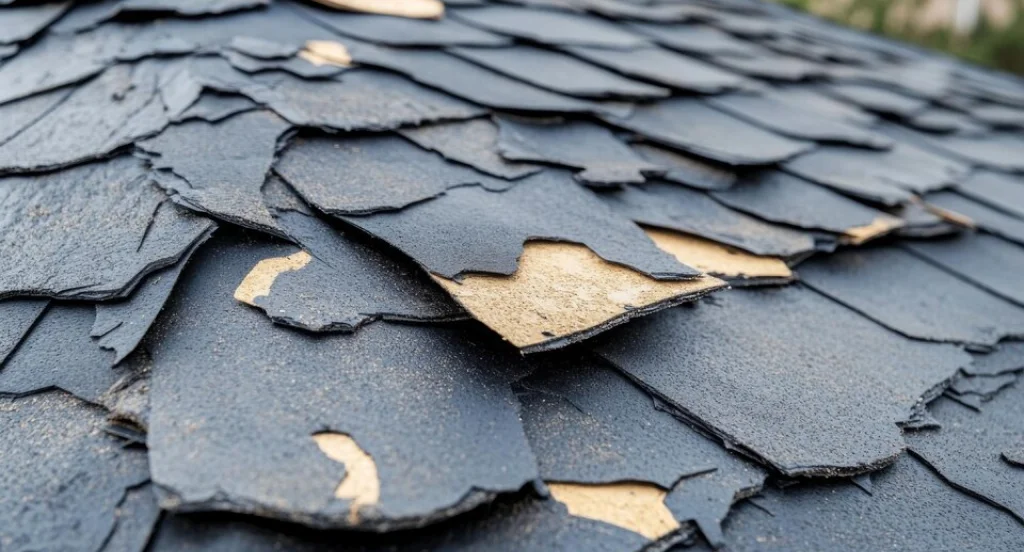
Spring showers and thunderstorms bring much-needed rain, but they can also leave your roof in trouble. If you live in Allentown, Pennsylvania, you know how unpredictable spring weather can be. From heavy downpours to strong winds and hail, the risk of roof damage is real. But how do you know if your roof has been affected? Identifying signs of roof damage early can save you from costly repairs and give you peace of mind.
This guide will walk you through the common signs of roof damage from spring showers and thunderstorms, steps to take if you spot problems, and how to protect your home for future storms.
Why It’s Important to Check for Roof Damage After Spring Storms?
When a storm passes, your roof takes the brunt of the impact. Rain, wind, and hail can cause serious issues that aren’t always visible from the ground. Ignoring these problems can lead to leaks, water damage, and mold growth inside your home.
By spotting issues early, you can avoid bigger problems and more expensive repairs. Storm Damage Roof Repair is often more affordable when handled quickly.
Signs of Roof Damage From Spring Showers and Thunderstorms
Knowing what to look for after a storm can help you catch problems before they worsen. Here are the most common signs of storm-related roof damage in Allentown homes.
1. Missing or Loose Shingles
Shingles protect your roof from rain, wind, and hail. If you notice missing, cracked, or curled shingles after a storm, it’s a sign of trouble. Check for shingles on the ground around your house or look for exposed areas on your roof where shingles are missing.
2. Leaks or Water Stains
Water stains on your ceilings or walls may indicate a roof leak. If you notice damp spots, discoloration, or peeling paint, water may be seeping in from the roof. Don’t wait—Roof Repair is essential to prevent further damage.
3. Granule Loss
Asphalt shingles have small, sand-like granules that protect them from the sun. After a storm, check your gutters and downspouts for these granules. If you see large amounts, it may be time for a Roof Replacement.
4. Dents and Impact Marks
Hailstorms can leave dents in metal vents, gutters, and shingles. Inspect your roof’s metal components and look for round, dent-like marks. If you see any, it’s best to have a professional inspect the shingles too.
5. Debris on the Roof
Branches, leaves, and other debris blown onto your roof by strong winds can damage shingles. Branches can scratch or puncture the surface, leading to leaks. After a storm, check for debris and clear it away if possible.
6. Gutter Blockages
If your gutters are clogged with leaves, sticks, or roofing granules, it can prevent proper water drainage. This causes water to back up, leading to leaks. Clean your gutters regularly to keep water flowing properly.
What to Do If You Spot Roof Damage?
If you notice any signs of roof damage, don’t panic. Follow these steps to protect your home and prevent further issues:
1. Document the Damage
Take clear photos of the affected areas, including missing shingles, dents, and water stains. This will help with insurance claims and estimates for repair work.
2. Schedule a Professional Roof Inspection
It’s best to have a local roofing expert assess the extent of the damage. A professional can spot problems that may not be visible from the ground. If needed, they’ll recommend Storm Damage Roof Repair or Roof Replacement.
3. File an Insurance Claim (If Necessary)
If the damage is severe, file a claim with your insurance company. Provide them with photos and notes about the damage. Your roofer may also assist with the claims process.
How to Protect Your Roof From Future Storms?
Protecting your roof ahead of time can save you from costly repairs. Here’s how you can safeguard your home from future storms in Allentown, PA.
1. Schedule Regular Roof Inspections
Have a professional inspect your roof annually and after major storms. This can help you catch problems early before they worsen.
2. Install Impact-Resistant Shingles
Consider upgrading to impact-resistant shingles if your roof needs replacement. These shingles are designed to withstand hail and high winds, making them a smart investment for homeowners in storm-prone areas.
3. Trim Trees and Branches
Overhanging branches can damage your roof during strong winds. Trim back trees that are close to your roof to prevent scratches, punctures, and debris buildup.
4. Clean Your Gutters
Keep your gutters clear so that water can flow freely. Clogged gutters cause water to back up onto your roof, leading to leaks and water damage.
Locally Relevant Tips for Allentown Homeowners
Allentown, PA, experiences frequent thunderstorms, especially during the spring. The region is known for its unpredictable weather, with heavy rain, wind, and hailstorms often catching homeowners by surprise. Because of this, it’s essential for homeowners to stay vigilant about potential roof damage. Here’s how being proactive can save you from headaches later on.
- Spring Storm Prep: Before spring arrives, check your roof, clean gutters, and trim nearby trees.
- Post-Storm Checks: After a storm, walk around your home and look for damage signs like missing shingles, granules in the gutters, and leaks in the attic.
- Local Expertise: Hire a local roofing company that understands the unique weather challenges in Allentown, Pennsylvania. They’ll have first-hand knowledge of what to look for and how to protect your roof from regional weather threats.
Conclusion
Spring showers and thunderstorms are part of life in Allentown, PA. While they’re great for the garden, they’re not so friendly to your roof. After each storm, check for signs of damage like missing shingles, dents, and leaks. Acting fast can save you from costly repairs down the road.
If you spot any signs of trouble, consider calling a local expert for an inspection. They’ll help you decide if a Roof Repair, Roof Replacement, or Storm Damage Roof Repair is necessary.
Don’t wait until a small issue becomes a big problem. Protect your roof, protect your home, and enjoy peace of mind.
Frequently Asked Questions
How do I know if my roof has storm damage?
Look for signs like missing shingles, granules in your gutters, water stains, and dents in metal vents or gutters. You may also notice leaks inside your home.
Can I inspect my roof after a storm, or should I call a professional?
It’s safe to inspect your roof from the ground using binoculars. However, if you notice potential damage, call a professional for a full inspection to avoid injury or missed issues.
Does homeowners insurance cover roof damage from thunderstorms?
Most homeowners’ insurance policies cover storm-related roof damage. Contact your insurance provider to confirm your coverage and start the claims process if necessary.
How often should I have my roof inspected in Allentown, PA?
Experts recommend inspecting your roof annually and after severe storms. The weather in Allentown can be unpredictable, so regular inspections ensure your roof stays in good shape.
What is the best way to protect my roof from hail and strong winds?
Upgrade to impact-resistant shingles and trim back any branches near your home. These steps help protect your roof from hail and flying debris during storms.
How do I know if I need a roof repair or a roof replacement?
Minor issues like missing shingles may only require a Roof Repair, but widespread damage could mean it’s time for a Roof Replacement. A roofing professional can guide you on the best option.