

Replacing your roof is one of the most important upgrades you can make to your home. It’s a big investment, but it offers lasting benefits like better protection, improved energy efficiency, and an updated curb appeal.
Full Roof Replacement for Allentown Homes
For homeowners in Allentown, Pennsylvania, understanding the roof replacement process can help you prepare for the project with confidence. This guide breaks down each step, providing local insight and practical advice to make your experience stress-free.
Roof Inspection and Free Estimate
The first step in any roof replacement project is a professional inspection. A roofing contractor will examine your roof to check for issues like water damage, missing shingles, rotting wood, and structural concerns. This inspection helps identify any hidden problems that could affect the project’s scope or cost.
If the damage is minor, the contractor may recommend Roof Repair instead of a full replacement. However, if your roof is nearing the end of its lifespan, it’s often better to replace it completely to avoid ongoing repairs.
After the inspection, you’ll receive an itemized estimate. This document will detail the cost of labor, materials, permits, and cleanup. Be sure to review it carefully and ask questions if anything is unclear. A trustworthy contractor will explain every charge in plain language so you know exactly what you’re paying for.
Choosing the Best Roofing Materials for Allentown’s Climate
One of the most exciting (and sometimes challenging) parts of a roof replacement is choosing the materials. In Allentown, it’s important to select materials that can handle year-round weather changes, from blazing summer sun to heavy snowfall in the winter. Here’s a closer look at the most popular roofing materials used in Allentown homes:
- Asphalt Shingles: The most common option due to affordability, versatility, and weather resistance.
- Metal Roofing: Highly durable and energy-efficient. Metal roofs can last up to 50 years or more.
- Slate Tiles: Known for their longevity and classic appearance, but they are heavier and costlier than other materials.
- Cedar Shakes: Provide a rustic, natural look but require regular maintenance to prevent mold and rot.
If you’re unsure which material is best, ask your contractor for advice. They’ll consider factors like your budget, design preferences, and the specific weather conditions in Allentown. Choosing the right material can increase your home’s resale value and provide long-term protection.
Getting Permits and Scheduling Your Project
For most roof replacements in Allentown, you’ll need a building permit before the project can begin. The permit ensures your new roof complies with local building codes and safety standards. Fortunately, reputable roofing contractors handle the permit application process on your behalf. This saves you time and ensures everything is done correctly.
Once the permit is secured, your contractor will schedule a start date. You’ll receive a timeline of the project, including key milestones like material delivery, removal of the old roof, and final inspection.
How to Prepare Your Home for a Roof Replacement?
Roof replacements can be noisy, messy, and a bit disruptive, but you can make the process easier with a little preparation. Here’s how to get your home and family ready:
- Clear the Driveway: Crews will need space for their vehicles, equipment, and dumpsters. Move your cars to the street or garage.
- Cover Belongings in Your Attic: Roofing debris can fall into the attic. Use a tarp to protect stored items from dust and dirt.
- Secure Outdoor Furniture and Decorations: Move potted plants, patio furniture, and grills away from the work area to prevent accidental damage.
- Inform Your Neighbors: Let them know about the upcoming noise and potential debris. It’s a simple courtesy that goes a long way.
Taking these steps not only protects your property but also helps the roofing crew work more efficiently.
Removing the Old Roof
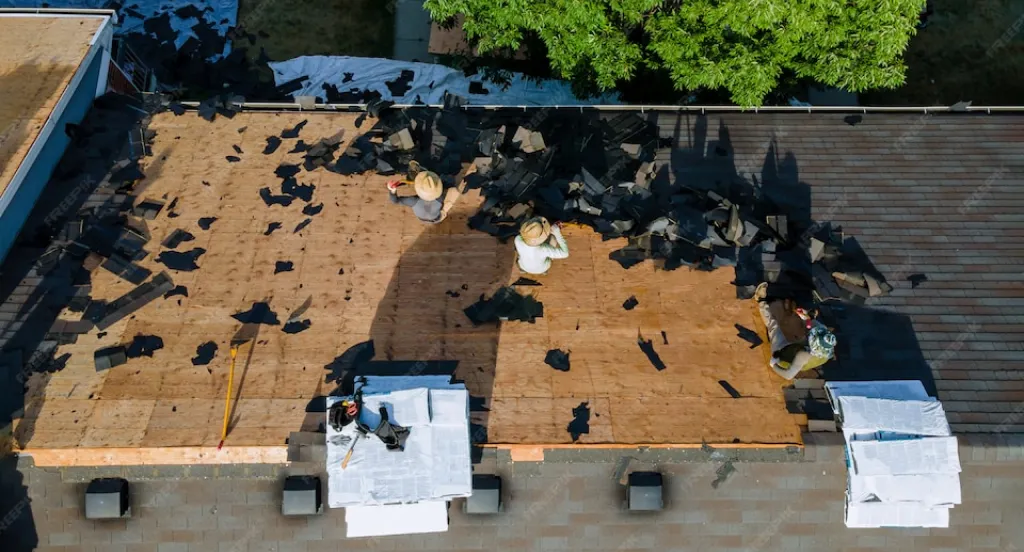
On the first day of the project, the crew will begin tearing off your old roof. They’ll remove the shingles, flashing, and underlayment, exposing the wooden deck beneath. This part of the process is noisy and may cause vibrations inside your home. If you have small children, pets, or anyone working from home, it may be helpful to plan accordingly.
Once the old materials are gone, the contractor will inspect the roof deck for any signs of water damage, rot, or weak spots. If any areas need repair, they’ll replace the damaged wood to ensure a strong, stable base for your new roof.
Installing the New Roof
This is where the magic happens. Once the roof deck is ready, the new roof installation begins. The process includes:
- Laying Down Underlayment: A moisture-resistant layer is placed over the roof deck to prevent water infiltration.
- Shingle or Material Installation: Shingles, metal, or tiles are installed, starting from the bottom edge and working upward. This overlapping method keeps water out.
- Installing Flashing and Sealing Vents: Metal flashing is placed around chimneys, vents, and skylights to seal off these areas from water.
- Adding Ridge Vents: Ridge vents are installed along the peak of the roof to improve airflow and prevent moisture buildup in your attic.
Every step is done with precision to ensure your roof is water-tight, energy-efficient, and ready to handle Allentown’s changing weather conditions.
Final Walkthrough and Cleanup
Before the crew packs up, the roofing contractor will perform a final walkthrough. They’ll inspect every aspect of the roof to ensure everything meets local building codes and quality standards. If you notice anything that seems off, this is the time to mention it. A good contractor will address your concerns immediately.
Cleanup is a key part of the process. The crew will remove debris, sweep the yard for stray nails (often using a magnetic sweeper), and haul away the dumpster. Your home will be left looking as clean as it was before the project began.
Post-Replacement Roof Care Tips
Once your new roof is installed, follow these maintenance tips to protect your investment:
- Schedule Regular Inspections: Check your roof twice a year and after major storms.
- Clean Gutters and Downspouts: Clogged gutters can back up water onto your roof, causing rot and leaks.
- Trim Tree Branches: Falling branches can puncture shingles or flash, especially during strong storms.
If you spot issues, don’t wait. Call a professional for Roof Repair to prevent small problems from becoming costly repairs.
Why Work with a Local Roofing Company in Allentown?
Local contractors understand the specific roofing needs of homes in Allentown. From navigating local permit laws to selecting weather-resistant materials, local roofers know how to handle it all. Plus, they’ll be nearby if you ever need a quick inspection or Storm Damage Roof Repair after a storm. Choosing a local company also supports the local economy and ensures you have access to personalized service when you need it most.
Conclusion
A full roof replacement is a big project, but it doesn’t have to be overwhelming. With a clear understanding of the process and help from a trusted local roofing company, you’ll be well-prepared. From choosing the right materials to understanding your warranty, every step is an opportunity to protect your home and boost its value. If you’re ready to get started, reach out to a local contractor for a free inspection and estimate.
Frequently Asked Questions
What is the typical timeline for a full roof replacement?
Most roof replacements take 1-3 days. The exact timeline depends on your roof’s size, the weather, and any repairs that may be required.
Can I stay home during a roof replacement?
Yes, you can, but be prepared for loud noises from tearing, hammering, and power tools. If you work from home, you may want to plan for a quieter workspace.
What if it rains during the project?
Roofers closely monitor weather forecasts. If rain is expected, they’ll cover your roof with tarps to protect your home from water damage.
How do I know if I need a roof replacement or just repairs?
If your roof has major issues like widespread leaks, missing shingles, or signs of sagging a full replacement is likely your best option. Roof Repair is usually best for small, localized issues.
Does homeowners insurance cover roof replacements?
It depends on your policy. If the damage was caused by a covered event, like a storm or fallen tree, your insurance may pay for some or all of the replacement costs.
What if I see storm damage on my roof?
Contact a local roofer as soon as possible for an inspection. They’ll recommend Storm Damage Roof Repair services to fix leaks, missing shingles, or other issues before they get worse.