

Spring rains are a refreshing sight in Allentown, Pennsylvania. But as pleasant as they may seem, they can leave behind hidden roof damage that could cost homeowners thousands in repairs. Most people spot obvious damage like broken shingles or roof leaks, but hidden damage can go unnoticed for months until it becomes a serious problem. Learning how to recognize these subtle warning signs can save you from unnecessary headaches and expenses.
If you’re unsure how to check for damage or want peace of mind, local roofing experts offer services like Roof Repair, Roof Replacement, Roof Installation, and Storm Damage Roof Repair to keep your home safe and secure.
Why Spring Rains Can Cause Roof Damage?
Spring showers may seem mild, but they have a cumulative effect on your roof. Rainwater can seep into cracks, weaken shingles, and saturate the underlying structure. Allentown’s weather shifts from cold winters to wet springs, and this temperature change can cause roofing materials to expand and contract, leading to small openings for water to enter.
Over time, these small vulnerabilities turn into bigger issues. If you ignore them, you may face higher repair bills or even a premature Roof Replacement.
Early Signs of Hidden Roof Damage
Detecting hidden roof damage requires more than a quick glance. Some signs are subtle, but they can be spotted with a careful inspection. Here are key indicators to watch for after spring rains:
Water Stains on Ceilings or Walls
Look for discolored patches on your ceilings or walls. These stains may appear as yellow, brown, or rust-colored spots. If you see them, it’s a sign that water is getting in from above.
Musty Smell or Mold Growth
A musty smell indoors could mean water is trapped in your attic, insulation, or walls. If mold begins to form, it not only affects your home’s structure but also poses health risks.
Loose or Missing Shingles
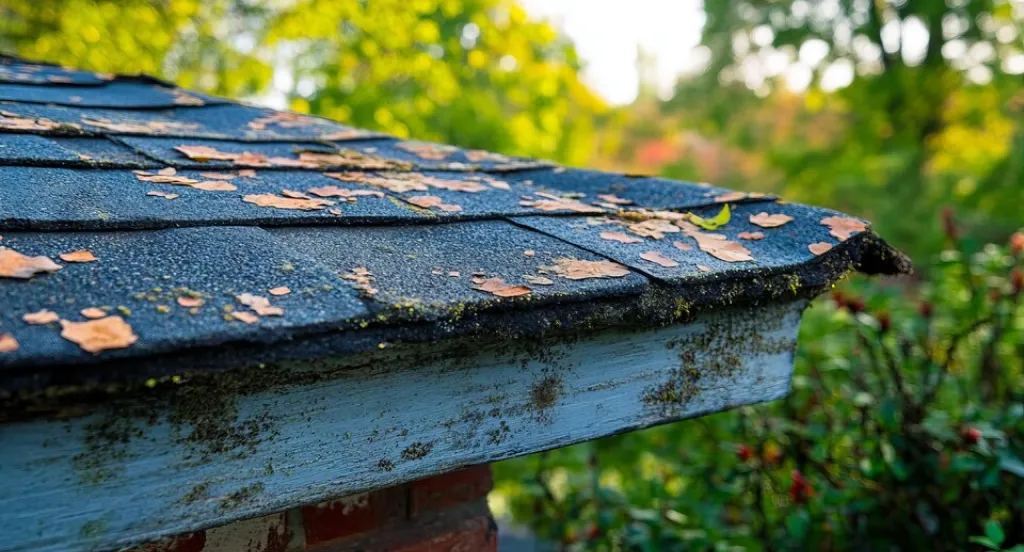
Spring rain combined with wind can loosen shingles or cause them to fall off. Missing shingles expose the underlayment, allowing water to penetrate your roof. If you notice any “bald spots” on your roof, take action immediately.
Cracked Flashing Around Chimneys or Vents
The metal flashing around chimneys, skylights, and vents serves as a waterproof barrier. If the flashing cracks or pulls away, water can enter the gaps. This type of damage often goes unnoticed because it’s not in plain sight.
Piles of Shingle Granules in Gutters
If you see black, sand-like granules in your gutters after a rainstorm, it’s a sign that your shingles are deteriorating. This reduces their ability to protect your roof from water.
Sagging Roofline
A sagging roofline is a red flag. It usually means water has weakened the supporting structure beneath your roof. If you see any dips or uneven spots, it’s time to call in professionals for a Roof Inspection or Storm Damage Roof Repair.
How to Inspect Your Roof for Hidden Damage?
While a professional roof inspection is always recommended, homeowners can do a preliminary check themselves. Here’s a simple step-by-step guide to spotting hidden damage:
Start Inside Your Home
- Look at ceilings and walls for water stains.
- Check the attic for any dampness or mold growth.
- Use a flashlight to spot areas where sunlight is peeking through.
Inspect the Roof from the Ground
- Walk around your home and visually check the roof for curled, cracked, or missing shingles.
- Check for sagging rooflines or areas that look “sunken.”
- Look for granules from shingles in the gutters or near downspouts.
Check Flashing and Gutters
- Look at metal flashing around chimneys, skylights, and vents.
- Make sure gutters are free of debris and draining properly.
If you spot any signs of trouble, it’s a smart move to schedule a Roof Repair to avoid further damage.
How to Prevent Roof Damage After Spring Rains? | Protect Roof From Rain
Rather than waiting for roof problems to appear, it’s better to be proactive. Here’s how you can protect your home from rain-related roof issues:
- Schedule Regular Roof Inspections: A professional inspection will spot damage you might miss.
- Clean Gutters and Downspouts: Clogged gutters force rainwater to pool on your roof, leading to water damage.
- Trim Overhanging Trees: Limbs that fall on your roof during storms can damage shingles and flashing.
- Seal Vulnerable Areas: Apply caulk or sealant around chimneys, vents, and skylights.
- Check Ventilation: Proper ventilation keeps moisture from building up in your attic.
These preventative measures can save you money and avoid the need for emergency Roof Repair services.
When Should You Call a Roofing Professional?
Some roof issues are easy to fix, but others require the expertise of a local roofing company. Here’s when you should consider calling a pro:
- If You See a Sagging Roofline: This indicates structural damage that could lead to roof collapse.
- If Water Stains Appear After Every Rain: Consistent leaks point to unresolved roofing issues.
- If Mold or Mildew Forms Indoors: Hidden water damage often causes mold, which poses health risks.
- If Shingles Are Missing or Broken: Gaps in your roof expose your home to water damage.
If you see any of these warning signs, contact a roofing professional to explore your options for Roof Repair, Roof Replacement, Roof Installation, or Storm Damage Roof Repair.
Conclusion
Spring rains in Allentown can bring life to gardens but wreak havoc on your roof. Knowing how to spot hidden roof damage early helps you avoid costly repairs. From water stains and cracked flashing to missing shingles and sagging roofs, these warning signs shouldn’t be ignored.
Take preventative action by keeping your gutters clean, scheduling regular roof inspections, and watching for signs of trouble. If you suspect damage, it’s wise to call a local roofing company that offers Roof Repair, Roof Replacement, Roof Installation, and Storm Damage Roof Repair services. Protecting your roof today will save you time, money, and stress tomorrow.
Frequently Asked Questions
What happens if I ignore hidden roof damage?
Ignoring roof damage can result in higher repair bills, structural damage, and even mold growth. It’s best to address small issues before they become big problems.
Can I inspect my own roof after spring rains?
Yes, you can do a basic inspection. Look for water stains, mold, and damaged shingles. However, for a full inspection, hiring a professional is recommended.
How often should I check my roof for damage?
You should check your roof at least twice a year, once in the spring and again before winter. Inspections after severe storms are also a good idea.
What causes roof flashing to crack?
Temperature changes cause flashing to expand and contract. Over time, this movement can cause cracks or gaps where water can seep in.
What’s the difference between roof repair and roof replacement?
Roof Repair fixes specific issues, like leaks or missing shingles. Roof Replacement involves removing the old roof and installing a new one. Repair is cheaper, but replacement is necessary if the roof is too old or badly damaged.
Can weather in Allentown, PA, make roof damage worse?
Yes, Pennsylvania’s freeze-thaw cycles and heavy spring rains create ideal conditions for roof wear and tear. It’s smart to schedule a post-rain inspection.