

In Allentown, a city known for its varying weather patterns and distinctive seasonal shifts, maintaining a healthy home environment is crucial. While much attention is given to insulation and weatherproofing, one aspect that often gets overlooked is proper roof ventilation. Yet, this is a critical element that plays a significant role in the longevity of your roof, the energy efficiency of your home, and your overall comfort. In this article, we’ll explore the best roof ventilation solutions for Allentown homes, highlighting the importance of a well-ventilated roof, common issues caused by poor ventilation, and the most effective solutions available to homeowners.
Why Proper Roof Ventilation Matters in Allentown
Roof ventilation is a system that allows air to flow through the attic or roof space, effectively balancing the intake of fresh air and the exhaust of stale air. This process is vital in regulating the temperature and moisture levels within the attic, which can have a direct impact on the structural integrity of the roof and the comfort of your living spaces.
In Allentown, where summers can be hot and humid, and winters cold and snowy, the importance of a well-ventilated roof cannot be overstated. Without proper ventilation, heat can build up in the attic during the summer, causing the roof’s shingles to age prematurely. In the winter, inadequate ventilation can lead to the formation of ice dams—ridges of ice that form at the edge of a roof and prevent melting snow from draining off the roof, potentially causing leaks and water damage.
Moreover, poor ventilation can lead to excessive moisture build-up, which can cause mold and mildew, damaging insulation and reducing indoor air quality. For homeowners in Allentown, addressing these issues is essential for maintaining a safe, energy-efficient, and comfortable home environment.
Common Roof Ventilation Problems in Allentown Homes
Many Allentown homes, particularly older ones, suffer from roof ventilation problems that can compromise their structural integrity and energy efficiency. These problems often stem from either inadequate ventilation systems or improper installation. Below are some common roof ventilation issues encountered by homeowners in the area:
- Inadequate Intake and Exhaust Vents: A balanced ventilation system requires both intake and exhaust vents to function properly. Without sufficient intake vents, the roof cannot pull in fresh air, leading to hot and stagnant air being trapped in the attic. Similarly, insufficient exhaust vents prevent the stale, warm air from escaping, leading to overheating and moisture buildup.
- Blocked Vents: Over time, vents can become clogged with debris, such as leaves, dirt, or even nesting materials from birds and other animals. This blockage prevents proper airflow, which can cause temperatures to rise and humidity levels to increase in the attic space.
- Improper Placement of Vents: For a ventilation system to be effective, vents need to be strategically placed to promote efficient airflow. Poorly placed vents can result in uneven ventilation, where certain areas of the roof or attic remain stagnant, leading to potential damage over time.
- Poor Quality Ventilation Products: Not all ventilation products are created equal. Some homes may have vents made from low-quality materials that deteriorate quickly, reducing their effectiveness and requiring frequent replacements.
Key Benefits of Effective Roof Ventilation
Investing in a proper roof ventilation system offers numerous benefits that go beyond just preventing damage to your roof. Here are some of the key advantages of ensuring your Allentown home has an effective ventilation system:
- Enhanced Roof Lifespan: By preventing the buildup of heat and moisture, proper ventilation can significantly extend the lifespan of your roof. This reduces the need for costly repairs or premature replacements, providing long-term savings.
- Improved Energy Efficiency: A well-ventilated roof helps maintain a stable temperature in the attic, reducing the strain on your HVAC system. During the summer, it helps keep your home cooler by allowing hot air to escape, and in the winter, it prevents moisture from condensing, which can lower heating costs.
- Prevention of Mold and Mildew: Proper ventilation minimizes the risk of moisture buildup, which is a primary cause of mold and mildew growth. By maintaining a dry attic, you can protect your home’s structural elements and improve indoor air quality.
- Increased Comfort: By regulating the temperature in the attic and reducing humidity levels, a good ventilation system can contribute to a more comfortable living environment, particularly during extreme weather conditions.
Types of Roof Ventilation Solutions for Allentown Homes
There are various types of roof ventilation systems available, each designed to meet different needs and home designs. When choosing a solution for your Allentown home, it’s important to consider factors such as your roof’s structure, the climate, and your specific ventilation needs. Below are some popular options:
Ridge Vents
Ridge vents are installed along the peak of the roof and allow hot, humid air to escape from the attic. They are among the most effective and aesthetically pleasing ventilation options, as they blend seamlessly with the roofline. Ridge vents provide continuous ventilation along the entire roof ridge, which helps ensure even airflow throughout the attic.
Soffit Vents
Soffit vents are installed under the eaves of the roof and work in conjunction with ridge vents to draw in cool, fresh air into the attic. They are essential for maintaining a balanced ventilation system, as they allow air to enter the attic space, replacing the hot air that escapes through the ridge vents.
Gable Vents
Gable vents are placed in the gable ends of a home, typically at the highest point of the attic wall. They allow air to exit the attic, providing effective ventilation, particularly in homes with gabled roofs. Gable vents are often used in combination with other ventilation systems to enhance airflow.
Turbine Vents
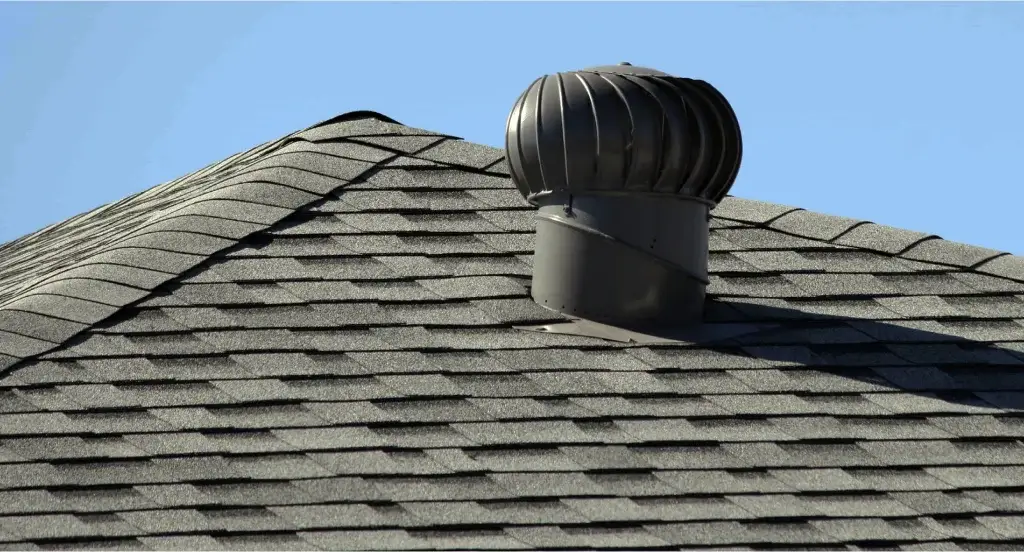
Turbine vents, also known as whirlybirds, are roof-mounted devices that spin with the wind, creating a suction effect that draws hot air out of the attic. These vents are particularly useful in areas with consistent wind patterns and are effective in reducing heat buildup.
Powered Attic Fans
Powered attic fans are electric or solar-powered devices that actively remove hot air from the attic space. They are particularly useful in situations where natural ventilation alone is insufficient to maintain a cool attic. However, it’s important to ensure that the attic has sufficient intake vents to support the fan’s operation.
Box Vents
Box vents, also known as static vents, are installed near the roof ridge and allow hot air to escape from the attic. They do not have moving parts, which makes them low-maintenance. However, they may not be as effective as ridge vents in providing continuous ventilation across the entire roof.
Choosing the Right Roof Ventilation Solution for Your Allentown Home
Selecting the right roof ventilation solution depends on several factors, including the design of your roof, the size of your attic, and your specific ventilation needs. Here are some steps to help you choose the best solution for your home:
Assess Your Home’s Ventilation Needs
Start by evaluating your current ventilation system. Check for signs of poor ventilation, such as hot attic temperatures, condensation, mold growth, or ice dams in the winter. You can also consult with a roofing professional to conduct a thorough inspection and recommend the best ventilation options.
Consider Your Roof Design
The design and slope of your roof play a significant role in determining the type of ventilation system that will work best. For instance, ridge vents are ideal for roofs with long, continuous ridges, while gable vents work well with gabled roofs. A professional can help you understand which options will be most effective for your home.
Evaluate the Climate in Allentown
Allentown’s climate, with its hot summers and cold winters, requires a ventilation system that can handle both extremes. Choose a solution that provides adequate airflow year-round to prevent heat buildup in the summer and moisture accumulation in the winter.
Invest in Quality Ventilation Products
Opt for high-quality ventilation products that are designed to withstand the elements and provide long-lasting performance. While these products may cost more upfront, they offer better durability and efficiency, saving you money in the long run.
Consult a Professional Roofing Contractor
Installing a roof ventilation system is not a DIY project for most homeowners. It requires precise calculations and expert installation to ensure optimal performance. Hiring a professional roofing contractor with experience in roof ventilation is the best way to ensure your system is installed correctly and functions as intended.
Maintaining Your Roof Ventilation System
Once you’ve installed a roof ventilation system, regular maintenance is key to keeping it functioning properly. Here are some tips to help you maintain your system:
- Inspect Vents Regularly: Check your vents periodically to ensure they are free of debris and functioning correctly. Clear any obstructions, such as leaves, dirt, or nests, that may impede airflow.
- Check for Damage: Look for signs of damage, such as cracks, rust, or warping, that could affect the performance of your ventilation system. Address any issues promptly to prevent further damage.
- Monitor Attic Conditions: Keep an eye on the temperature and humidity levels in your attic. If you notice any significant changes, it may be a sign that your ventilation system needs attention.
- Schedule Professional Inspections: Have your roof and ventilation system inspected by a professional at least once a year, or after severe weather events, to ensure everything is in good condition.
FAQs
What are the signs of poor roof ventilation?
Signs of poor roof ventilation include excessive heat in the attic, the presence of mold or mildew, condensation on attic surfaces, uneven temperatures in the home, and the formation of ice dams in winter.
Can I install roof ventilation systems myself?
While it’s possible to install some ventilation systems yourself, it’s generally recommended to hire a professional. Proper installation is crucial for the system to function correctly and efficiently.
How often should I inspect my roof ventilation system?
You should inspect your roof ventilation system at least twice a year, ideally in the spring and fall. Additionally, inspect the system after severe weather events.
Are powered attic fans worth the investment?
Powered attic fans can be worth the investment if your home experiences extreme heat in the summer and natural ventilation is insufficient. They can help reduce cooling costs by removing hot air from the attic.
What is the best type of roof vent for Allentown homes?
The best type of roof vent depends on your home’s design and ventilation needs. Ridge vents and soffit vents are generally effective for most homes, but it’s best to consult with a professional to determine the ideal solution for your specific situation.
How can I improve my existing roof ventilation?
You can improve existing roof ventilation by adding more vents, ensuring proper placement, and removing any blockages. Consulting with a professional to assess your system and recommend improvements is also a good idea.
Conclusion
Proper roof ventilation is essential for maintaining the health and efficiency of your Allentown home. By understanding the different types of ventilation systems and the benefits they offer, you can make informed decisions about the best solutions for your home. Whether you choose ridge vents, soffit vents, gable vents, or powered attic fans, investing in a high-quality ventilation system will protect your roof, improve your home’s energy efficiency, and enhance your overall comfort. Remember to work with a professional roofing contractor to ensure your system is installed correctly and to keep up with regular maintenance to enjoy the benefits for years to come.