

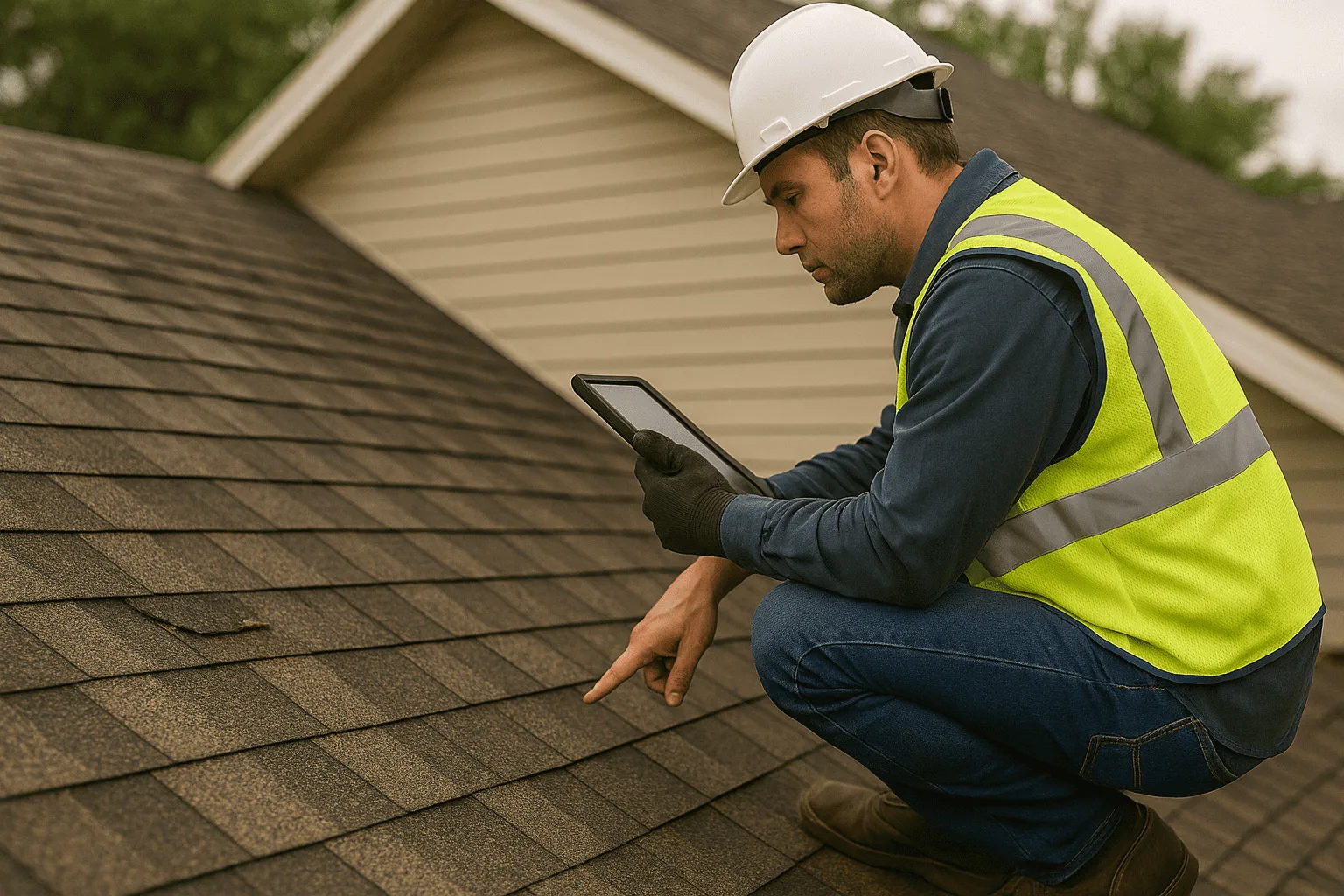
A roof is one of your home’s most important defenses against the elements. Knowing which roof inspection red flags to watch for can save you from costly repairs, water damage, and safety hazards.
In Allentown and across the Lehigh Valley, our weather can be tough on roofing systems, hot summers, freezing winters, and heavy storms all take their toll. At In The Light Roofing, we’ve performed countless Roof Inspections and have seen how small warning signs can turn into big, expensive problems when ignored.
By learning these roof inspection red flags, you’ll be better prepared to maintain your home’s safety and value.
Why Roof Inspection Red Flags Matter in Lehigh Valley, PA
Local climate conditions make spotting roof inspection red flags even more critical here. Frequent freeze-thaw cycles can crack shingles, while summer heat can cause warping and deterioration. Spotting issues early means lower repair costs and longer roof life.
Missing or Damaged Shingles
One of the most visible roof inspection red flags is missing or cracked shingles. They can expose your roof to water infiltration, leading to leaks and interior damage. In Allentown, strong winds after thunderstorms often cause shingle loss.
Sagging Roof Sections
If your roofline isn’t straight, you may have structural damage underneath. Sagging areas are serious roof inspection red flags because they can indicate rotting supports or water damage.
Granule Loss in Gutters
When asphalt shingles shed their protective granules, they become more vulnerable to the sun’s UV rays. Finding excess granules in your gutters is one of the more subtle roof inspection red flags that often gets overlooked.
Damaged or Loose Flashing
Flashing protects vulnerable areas like chimneys, skylights, and vents. Damaged flashing is a major roof inspection red flag, as it allows water to seep into your home and cause hidden leaks.
Interior Water Stains
Brown spots or peeling paint on ceilings can signal roof leaks. These are indoor roof inspection red flags that should never be ignored, especially after heavy rain in the Lehigh Valley.
Moss, Mold, or Algae Growth
Excessive moss or mold on your roof can trap moisture, causing deterioration. This is one of the roof inspection red flags that also affects curb appeal and home value.
Clogged or Damaged Gutters
Gutters play a crucial role in directing water away from your roof. Clogged or broken gutters can lead to pooling water, another roof inspection red flag that can cause serious long-term damage.
Visit Us in Allentown, PA
We proudly serve the entire Lehigh Valley region with expert roofing inspections and repairs. Visit us in Allentown, PA to discuss your roof’s condition and get professional advice.
Frequently Asked Questions
How often should I check for roof inspection red flags?
At least twice a year, once in spring and once in fall, or after severe storms.
Can I inspect my own roof for red flags?
Yes, but do so safely from the ground. For a thorough check, hire a professional.
What happens if I ignore roof inspection red flags?
Small problems can quickly escalate into expensive repairs or full roof replacements.
Is moss on my roof a serious red flag?
Yes. Moss holds moisture against shingles, which can cause deterioration over time.
Should I check my attic for roof inspection red flags?
Absolutely. The attic often shows early signs of leaks, mold, and insulation issues.
Does Allentown’s weather make red flags worse?
Yes. Our region’s seasonal extremes accelerate roof wear and make inspections more important.