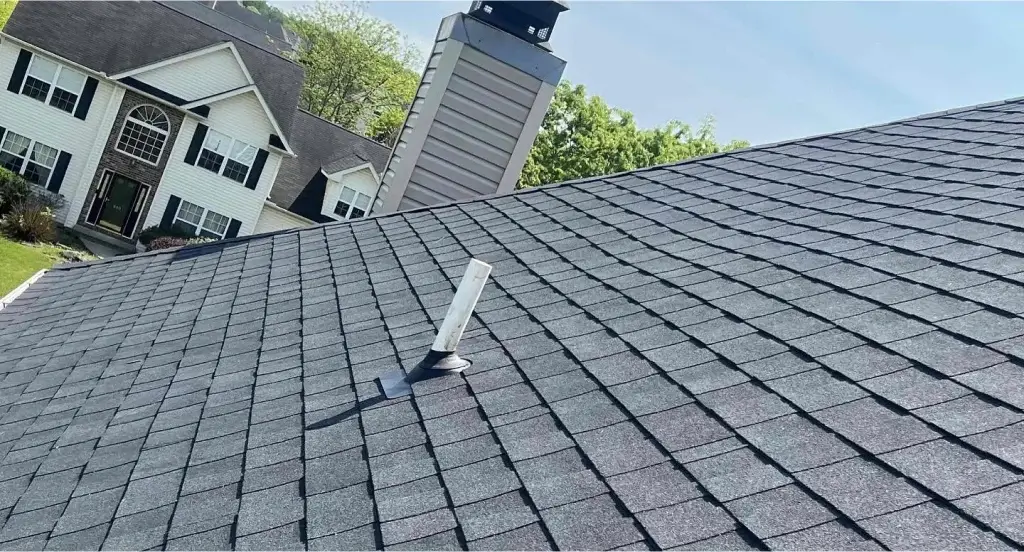
Pennsylvania homeowners are increasingly seeking ways to reduce their energy consumption and improve the comfort of their homes. One of the most impactful strategies is the selection of energy-efficient roofing. Not only does this choice contribute to significant savings on energy bills, but it also plays a crucial role in enhancing the overall value and sustainability of the property.
Introduction to Energy-Efficient Roofing
The Rising Demand for Energy Efficiency in Pennsylvania Homes
The modern homeowner is more conscious than ever about energy efficiency. In Pennsylvania, where temperatures can vary widely throughout the year, the need for effective energy management is paramount.
Homeowners are turning to energy-efficient roofing as a solution to mitigate the effects of harsh winters and hot summers, thereby reducing their energy bills and carbon footprint. With the right roofing, a home can maintain a more consistent indoor temperature, reducing the strain on heating and cooling systems.
Energy-Efficient Roofing
What is Energy-Efficient Roofing?
Energy-efficient roofing is designed to minimize the amount of heat that enters or escapes from a home. These roofs typically feature materials and designs that reflect more sunlight and absorb less heat, which can significantly lower cooling costs during the summer months. In the winter, they help retain warmth, reducing the need for excessive heating. This balance makes energy-efficient roofs a valuable investment for Pennsylvania homes.
Benefits of Energy-Efficient Roofing
The benefits of energy-efficient roofing extend beyond just financial savings. For one, these roofs contribute to a reduction in greenhouse gas emissions by decreasing energy consumption. Moreover, they can enhance indoor comfort, reduce wear and tear on HVAC systems, and even increase the lifespan of the roof itself by minimizing temperature-related stress. Over time, the cumulative effect of these advantages not only saves money but also promotes a more sustainable lifestyle.
Why Energy Efficiency Matters in Pennsylvania
Pennsylvania’s Climate and Energy Needs
Pennsylvania’s diverse climate, characterized by hot summers and cold winters, creates a unique set of challenges for homeowners. Energy-efficient roofing is particularly valuable in this region due to the need for effective temperature regulation year-round. During the sweltering summer months, a cool roof can prevent excessive heat from penetrating the home, keeping it cooler and more comfortable. Conversely, in the winter, energy-efficient materials help to trap heat inside, reducing the need for constant heating.
Impact of Energy-Efficient Roofing on Utility Bills
Energy-efficient roofing has a direct and significant impact on utility bills. By improving the insulation and reflectivity of a home’s roof, these systems reduce the amount of energy required to maintain a comfortable indoor temperature. In Pennsylvania, where energy costs can be substantial, this translates to lower monthly bills and a reduced overall energy footprint.
Homeowners who invest in energy-efficient roofing often see a return on their investment through savings on utilities within a few years.
Types of Energy-Efficient Roofing Materials
Cool Roofs
Cool roofs are designed to reflect more sunlight and absorb less heat compared to standard roofs. They achieve this through the use of reflective materials or coatings that can significantly reduce the roof’s temperature. In Pennsylvania, where summer temperatures can soar, cool roofs are an excellent choice for minimizing the need for air conditioning.
Metal Roofing
Metal roofing is another popular option for energy efficiency. Metal roofs reflect solar radiant heat, which can reduce cooling costs by up to 25%. Additionally, metal roofs are highly durable and can last for decades, making them a cost-effective choice for Pennsylvania homeowners looking for long-term savings.
Solar Reflective Shingles
Solar reflective shingles are designed with reflective granules that reflect more sunlight than traditional shingles. These shingles are available in a variety of styles and colors, making them a versatile option for homeowners who want both energy efficiency and aesthetic appeal. They are particularly effective in reducing heat absorption, which can lower cooling costs during Pennsylvania’s hot summers.
Green Roofs
Green roofs, also known as living roofs, are covered with vegetation that provides natural insulation and reduces heat absorption. These roofs are not only energy-efficient but also environmentally friendly, as they contribute to reducing urban heat islands and improve air quality. Green roofs can be particularly beneficial in urban areas of Pennsylvania, where space for green spaces is limited.
Tile and Slate Roofing
Tile and slate roofing are naturally energy-efficient due to their heavy thermal mass, which helps regulate indoor temperatures. These materials absorb and release heat slowly, making them effective in both hot and cold climates. Tile and slate roofs are also known for their longevity, making them a durable and sustainable choice for Pennsylvania homes.
Selecting the Right Energy-Efficient Roofing for Pennsylvania Homes
Considerations Based on Pennsylvania’s Climate
When selecting energy-efficient roofing, it’s essential to consider Pennsylvania’s specific climate conditions. For example, materials that perform well in extreme heat may not be as effective in the cold, and vice versa. Homeowners should choose roofing materials that offer the best performance across the state’s varying temperatures.
Urban vs. Rural Considerations
The choice of roofing materials can also depend on whether the home is located in an urban or rural area. Urban environments, with their higher levels of pollution and urban heat islands, might benefit more from green roofs or cool roofs. In contrast, rural homes might prioritize materials that offer better insulation during the colder months.
Durability and Lifespan of Materials
Durability is a key factor when choosing energy-efficient roofing. Pennsylvania’s weather can be harsh, with heavy snowfalls in the winter and intense sun in the summer. Materials like metal, tile, and slate are known for their long lifespans and ability to withstand extreme weather conditions, making them ideal choices for homeowners looking for both energy efficiency and durability.
The Role of Roofing Colors in Energy Efficiency
Light vs. Dark Roofing Colors
The color of a roof plays a significant role in its energy efficiency. Light-colored roofs tend to reflect more sunlight, reducing heat absorption and keeping homes cooler in the summer. Dark-colored roofs, while more prone to heat absorption, can be more beneficial in colder climates where retaining heat is desirable. Pennsylvania homeowners should consider the seasonal variations when choosing the color of their energy-efficient roofing.
How Roofing Colors Affect Temperature Regulation
Temperature regulation is directly impacted by the color of the roofing material. In Pennsylvania, where both heating and cooling are necessary throughout the year, selecting a color that balances these needs can optimize energy efficiency. Light colors are generally preferred for reducing cooling costs, while dark colors may be better suited for retaining warmth in the winter.
Installation Techniques for Maximum Energy Efficiency
Proper Insulation and Ventilation
Proper insulation and ventilation are crucial for maximizing the energy efficiency of a roof. Without adequate insulation, even the most energy-efficient materials may fail to keep a home comfortable. Similarly, proper ventilation ensures that heat does not build up in the attic, which can reduce the effectiveness of the roofing material.
Reflective Coatings
Applying reflective coatings to a roof can enhance its energy efficiency by further increasing its ability to reflect sunlight. These coatings are often used on existing roofs to improve their energy performance, making them a cost-effective option for Pennsylvania homeowners looking to upgrade their roofing without a full replacement.
Professional Installation vs. DIY
While DIY projects can be appealing for the cost savings, energy-efficient roofing installation is best left to professionals. Improper installation can lead to issues with insulation, ventilation, and overall performance, negating the benefits of energy-efficient materials. A professional installation ensures that the roofing system is optimized for maximum energy efficiency and longevity.
Cost Considerations and Long-Term Savings
Initial Costs vs. Long-Term Savings
The initial cost of energy-efficient roofing can be higher than traditional roofing options. However, the long-term savings on energy bills often outweigh these upfront expenses. Over time, the reduction in energy consumption and the extended lifespan of energy-efficient roofing materials can lead to significant financial benefits for homeowners.
Return on Investment (ROI) of Energy-Efficient Roofing
Investing in energy-efficient roofing typically yields a strong return on investment. Homeowners not only save on utility bills but also benefit from potential increases in property value. In Pennsylvania, where energy costs can be substantial, the ROI of energy-efficient roofing is often realized within a few years, making it a financially sound decision for most homeowners.
Energy-Efficient Roofing and Home Value
Enhancing Property Value with Energy-Efficient Roofing
Energy-efficient roofing can significantly enhance a home’s value. As more buyers become conscious of energy costs and environmental impact, homes with energy-efficient features, including roofing, are increasingly in demand. In Pennsylvania’s real estate market, an energy-efficient roof can be a key selling point that sets a property apart from others.
Market Trends in Pennsylvania Real Estate
The trend towards energy-efficient homes is growing in Pennsylvania, driven by both environmental concerns and rising energy costs. Homebuyers are looking for properties that offer long-term savings and sustainability. Energy-efficient roofing is a major component of this trend, making it a wise investment for homeowners planning to sell their property in the future.
Maintenance Tips for Energy-Efficient Roofs
Regular Inspections and Repairs
To maintain the efficiency of energy-efficient roofing, regular inspections are essential. Identifying and repairing any damage early can prevent larger issues that might compromise the roof’s performance. Pennsylvania homeowners should schedule annual inspections, especially after harsh weather conditions, to ensure their roofs remain in optimal condition.
Cleaning and Upkeep for Longevity
Cleaning the roof and maintaining its components are also crucial for longevity. Debris, moss, and algae can accumulate over time, affecting the roof’s ability to reflect sunlight or retain heat. Regular cleaning helps preserve the roof’s energy-efficient properties and extends its lifespan.
Incentives and Rebates for Energy-Efficient Roofing in Pennsylvania
State and Federal Incentives
Pennsylvania homeowners can take advantage of various incentives and rebates for energy-efficient roofing. These incentives are designed to offset the initial costs of installation and encourage the adoption of sustainable practices. Federal tax credits and state-specific programs can significantly reduce the financial burden of upgrading to an energy-efficient roof.
How to Apply for Rebates and Tax Credits
Applying for rebates and tax credits involves documenting the installation of energy-efficient materials and following the specific guidelines set by the programs. Homeowners should consult with their roofing contractors to ensure they meet all the requirements and maximize the available financial incentives. Proper documentation and timely application are key to successfully receiving these benefits.
FAQs About PA Roofing Systems
How much can I save with energy-efficient roofing in Pennsylvania?
Energy-efficient roofing can reduce heating and cooling costs by up to 20%, depending on the materials used and the size of the home. Over time, these savings can add up to thousands of dollars.
What is the best energy-efficient roofing material for cold climates?
In cold climates like Pennsylvania, materials with high insulation properties, such as metal roofing or slate, are often the best choice. These materials help retain heat during the winter months, reducing the need for excessive heating.
Are there any Pennsylvania-specific roofing incentives?
Yes, Pennsylvania offers various incentives for energy-efficient roofing, including state rebates and federal tax credits. Homeowners should research the current programs available to maximize their savings.
How does energy-efficient roofing contribute to environmental sustainability?
Energy-efficient roofing reduces the energy consumption of a home, leading to lower greenhouse gas emissions. By using materials that reflect sunlight and improve insulation, these roofs help mitigate the environmental impact of heating and cooling.
Can energy-efficient roofing reduce noise pollution?
Yes, certain energy-efficient roofing materials, like metal and slate, can also reduce noise pollution. Their dense composition helps block out external noise, making the home quieter and more comfortable.
How long do energy-efficient roofs typically last?
The lifespan of energy-efficient roofs varies depending on the material. Metal roofs can last up to 50 years, while slate and tile roofs can last even longer. Regular maintenance and proper installation are key to maximizing the lifespan of these roofs.
Conclusion
Energy-efficient roofing offers Pennsylvania homeowners a wealth of benefits, from substantial savings on energy bills to increased home value and environmental sustainability. By choosing the right materials, colors, and installation methods, homeowners can ensure their roofs not only withstand Pennsylvania’s diverse climate but also contribute to a more comfortable and cost-effective living environment. With the added advantage of state and federal incentives, now is the perfect time for Pennsylvania homeowners to invest in energy-efficient roofing solutions.
