

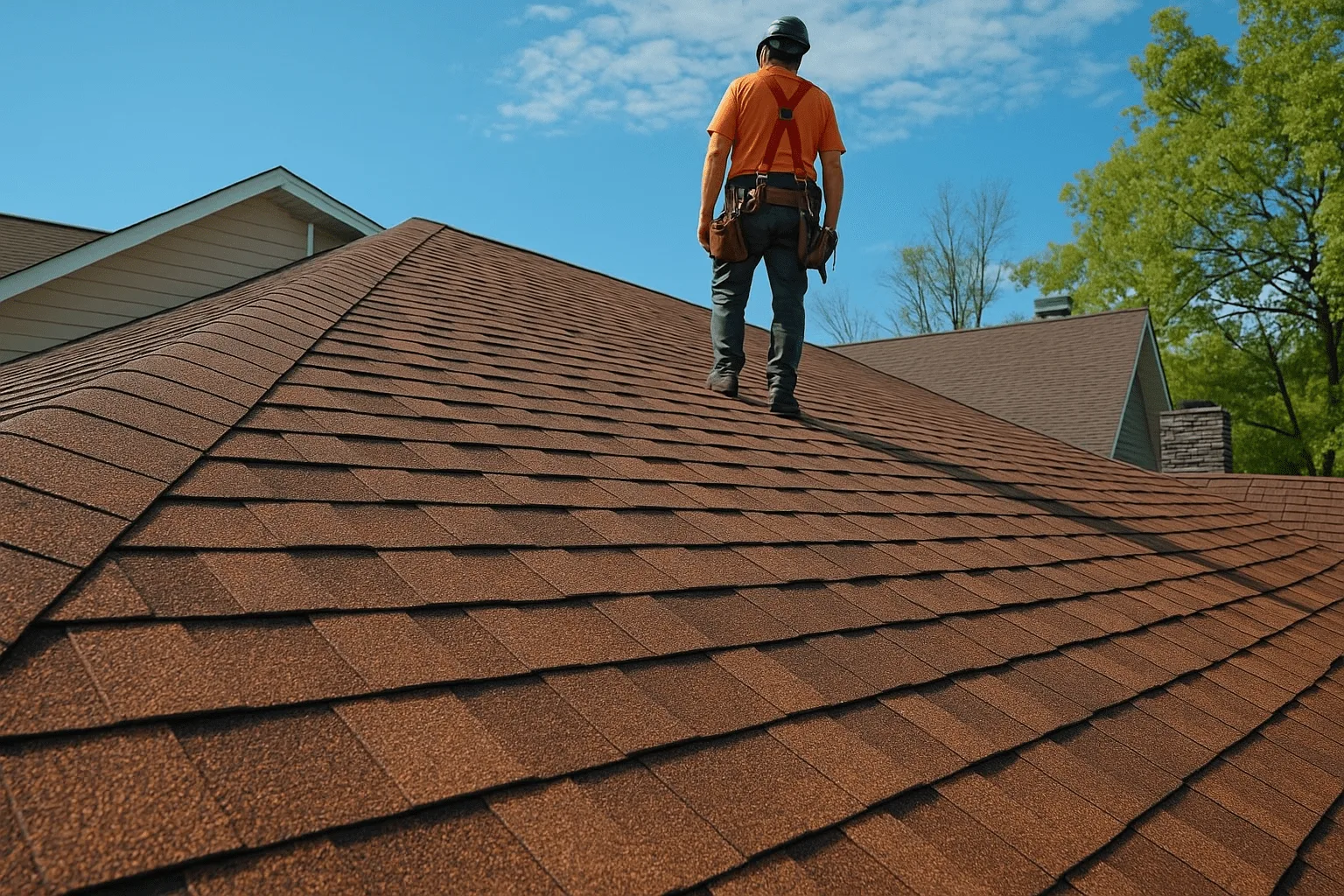
As summer winds down in Allentown, Pennsylvania, your roof has likely endured heat, UV rays, thunderstorms, and wind. Before fall storms and winter snow arrive, it’s smart to do thorough roof inspection checks to protect your home and avoid expensive repairs.
This article will walk you through seven essential roof inspection checks that every Allentown homeowner should complete before the season changes.
1. Look for Shingle Damage or Displacement
The first step in your roof inspection checks is to scan for missing, curling, cracked, or bruised shingles. Allentown’s summer sun and storms can dry out or loosen shingles, especially after intense UV exposure or hail.
Key things to look for:
- Missing shingles or tabs
- Granule loss (check in gutters)
- Curling edges or raised shingles
Addressing minor issues now prevents bigger leaks later, especially when rain and snow hit hard in late fall.
2. Inspect Flashing Around Roof Penetrations
Flashing protects vulnerable areas where chimneys, skylights, and vents meet your roof. One of the most important roof inspection checks is examining these flashing zones for cracks, rust, or lifted edges.
Look closely for:
- Loose or corroded metal flashing
- Gaps in sealant or caulk
- Water stains inside your attic near these points
Flashing failures often lead to hidden leaks that can go unnoticed until it’s too late.
3. Clear Out Gutters and Downspouts
Summer storms in Allentown often blow leaves, twigs, and debris into your gutters. A clogged gutter system causes water to back up and spill under the roofline, causing rot or leaks.
Among the top roof inspection checks is ensuring your gutters:
- Are free from obstructions
- Are securely fastened
- Drain water at least 3–5 feet away from your foundation
Add gutter guards if trees surround your home, especially in older neighborhoods like West End and Center City.
4. Check for Sagging, Soft Spots, or Structural Damage
A healthy roofline should be straight and strong. When conducting your roof inspection checks, step back and look at your roof’s overall shape.
Watch for:
- Sagging ridges or uneven lines
- Soft spots when walking in the attic
- Light showing through decking
These signs can indicate hidden moisture problems or weakened structural supports, especially if storms hit hard during the summer.
5. Examine Attic Ventilation and Insulation
Allentown’s hot and humid summers put extra strain on attic ventilation systems. During your roof inspection checks, make sure your attic isn’t overheating or retaining moisture.
Tips:
- Ensure vents are unobstructed
- Look for mold or condensation on rafters
- Verify insulation is dry and evenly distributed
Proper ventilation helps extend the life of your roof and improve indoor air quality.
6. Scan for Moss, Algae, or Fungal Growth
Late summer humidity in Pennsylvania creates a perfect breeding ground for moss and algae on shaded roofs. These growths trap moisture and accelerate shingle deterioration.
Include the following in your roof inspection checks:
- Look for green or black streaks
- Gently remove small patches with a soft brush
- Consider installing zinc or copper strips to prevent growth
Don’t use pressure washers, they can remove protective granules and damage your shingles.
7. Schedule a Professional Roof Inspection
While you can spot many issues yourself, a professional contractor can catch hidden damage, offer expert advice, and document findings for warranty or insurance purposes.
At In The Light Roofing, we offer thorough Roof Inspections tailored to Allentown’s climate. We know what to look for in local homes, from flashing to shingles to attic airflow.
Need help? Visit us in Allentown for a free consultation or call us to schedule your seasonal inspection.
Why End-of-Summer Roof Checks Are Critical in Allentown
In Allentown, roofs are exposed to all four seasons. The end of summer is your last chance to prepare your home before:
- September downpours
- October windstorms
- Early snowfall in November
These roof inspection checks help you identify and fix problems before cold weather sets in. They’re especially important for homes with older roofs or previous storm damage.
Bonus Tips to Extend Roof Life
Here are a few extra roof inspection checks to consider:
- Tighten loose nails and fasteners
- Test attic fans and thermostat controls
- Review previous repair areas for wear
Being proactive now can add years to your roof’s life, and save thousands in emergency repairs later.
Frequently Asked Questions
How often should I perform roof inspections?
At least twice a year, once in spring and again in late summer.
Can I inspect my roof myself?
Yes, but a professional inspection provides more thorough and safe results.
Is moss harmful to my roof?
Yes. It retains moisture and can cause shingles to lift or deteriorate.
What if I find a leak in my attic?
Call a roofing professional immediately. Delays can lead to mold or structural damage.
Does insurance cover roof problems found during inspections?
Sometimes, if storm-related. Regular maintenance isn’t usually covered but helps prove responsibility in claims.