

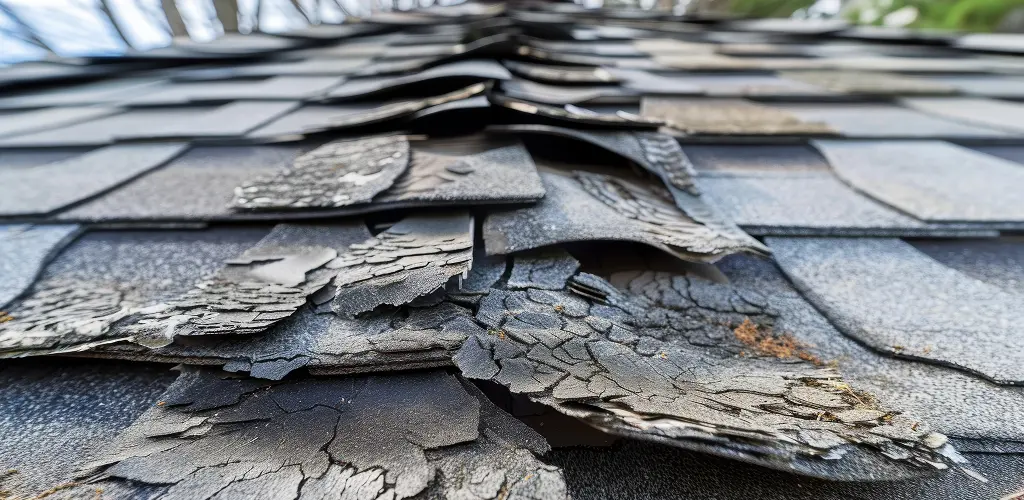
Your roof is one of your home’s hardest-working features. It protects you from the elements, insulates your home, and adds curb appeal. But in Allentown, the ever-changing weather takes a toll on roofs. Snow, rain, wind, and even the occasional hailstorm can cause damage that, if left untreated, leads to costly repairs.
Understanding the common roof damage causes Allentown homeowners encounter is key to protecting your home. In this guide, we’ll explain what causes roof damage, how to spot it early, and how to prevent these issues from developing. If you need expert help, the team at In The Light Roofing is here to assist.
Heavy snowfall and ice buildup damage roofs
Allentown winters bring plenty of snow, and while it might look pretty, it’s tough on roofs. Snow accumulates and adds weight to your roof, putting stress on the structure. Ice dams can form when heat from your home melts the snow, causing water to refreeze along the eaves. This trapped water eventually seeps under shingles and into your home.
How to prevent snow and ice damage:
- Insulate your attic to minimize heat loss.
- Install proper roof ventilation to maintain consistent temperatures.
- Use a roof rake to clear heavy snow after storms.
- Schedule regular inspections to check for ice dam damage.
A proactive approach to winter maintenance helps protect your roof from snow-related issues.
Strong winds cause shingle damage
High winds are a common cause of roof damage in Allentown, especially during spring and summer storms. Wind can lift, loosen, or completely tear shingles off your roof, leaving vulnerable areas exposed to water infiltration.
How to protect your roof from wind damage:
- Choose wind-resistant shingles when installing or replacing your roof.
- Inspect your roof after storms to spot missing or damaged shingles.
- Secure loose flashing around chimneys, vents, and skylights.
- Trim nearby tree branches that could fall or scrape against the roof.
If you notice shingles in your yard or on the ground after a storm, it’s time to call for professional help. Visit our Roof Repairs page for assistance.
Rainwater infiltration causes leaks
Rain is a year-round challenge for roofs in Allentown. Over time, even small vulnerabilities can allow rainwater to seep in, causing leaks, mold growth, and structural damage. Poorly maintained gutters and damaged flashing make the situation worse.
Ways to prevent rainwater damage:
- Keep gutters clean to ensure water flows away from the roof.
- Inspect and repair damaged flashing around roof penetrations.
- Seal cracks and gaps to block water entry.
- Schedule annual roof inspections to catch small issues early.
Regular maintenance goes a long way toward preventing costly water damage.
Hailstorms cause surface and structural damage
Hailstorms aren’t frequent in Allentown, but when they hit, they can cause serious roof damage. Hailstones leave dents, cracks, and punctures in shingles, making it easier for water to seep in later.
Tips for protecting your roof from hail damage:
- Use impact-resistant shingles designed to withstand hail.
- Check for dents or cracks after hailstorms.
- Inspect metal flashing for signs of hail impact.
- Install protective roof coatings to reduce damage.
Even minor hail damage can weaken your roof’s defenses, so don’t ignore it.
Tree branches and debris damage roofing materials
Allentown’s tree-lined streets add charm and shade, but falling branches and debris can damage roofs. Overhanging limbs scrape shingles, while larger branches can puncture the roof surface during storms.
How to minimize tree-related roof damage:
- Trim branches that hang over the roof.
- Remove dead or dying trees near your home.
- Clear leaves and debris from the roof and gutters regularly.
- Inspect the roof after storms to check for fallen branches.
Regular tree maintenance protects both your roof and your home’s foundation.
Poor installation leads to premature roof problems
A roof’s performance heavily depends on the quality of its installation. Poorly installed shingles, flashing, or underlayment leave your roof vulnerable to leaks, wind damage, and uneven wear.
How to avoid installation issues:
- Hire licensed, experienced roofers familiar with Allentown’s building codes.
- Ensure flashing is properly sealed around vents, chimneys, and skylights.
- Check for consistent shingle alignment and proper nailing techniques.
- Schedule an inspection soon after new roof installations.
Looking for trusted professionals? In The Light Roofing provides expert installations built to last.
Clogged gutters contribute to roof damage
Gutters and downspouts help direct water away from your home. When they get clogged with leaves, dirt, and debris, water can back up and seep under your shingles. In winter, clogged gutters often lead to ice dams.
Steps to prevent gutter-related damage:
- Clean gutters at least twice a year—once in spring and once in fall.
- Install gutter guards to reduce debris buildup.
- Ensure downspouts extend several feet from the foundation.
- Inspect gutters regularly for cracks, rust, or sagging.
Good drainage is essential for roof health, especially during Allentown’s rainy months.
Moss, algae, and mold growth weaken roofing materials
Shady or damp roof areas often attract moss, algae, and mold. These organisms hold moisture against the roof surface, weakening shingles and accelerating decay.
How to keep your roof free from growth:
- Clean the roof periodically with a gentle, roof-safe solution.
- Install zinc or copper strips along the ridge to inhibit moss growth.
- Trim overhanging branches to allow sunlight to dry wet areas.
- Ensure your roof has proper ventilation to reduce trapped moisture.
If you notice green patches or dark streaks, don’t wait—schedule a professional cleaning.
Flashing failure leads to leaks
Flashing is the thin metal material installed around chimneys, vents, skylights, and roof edges. It directs water away from these vulnerable areas. Over time, flashing can crack, corrode, or pull away from the roof surface.
Preventative flashing maintenance:
- Inspect flashing twice a year and after storms.
- Replace cracked or rusted sections immediately.
- Seal gaps with high-quality roofing sealant.
- Use metal flashing for better durability than plastic alternatives.
Regular inspections help catch flashing problems before they cause water damage.
Conclusion
Understanding the common roof damage causes Allentown homeowners face is the first step in protecting your home. From snow and rain to fallen branches and clogged gutters, there are many threats to your roof’s integrity. But with regular maintenance and timely repairs, you can extend your roof’s lifespan and avoid costly problems.
If you’ve noticed signs of damage or it’s been a while since your last inspection, reach out to In The Light Roofing. Visit our Roof Repairs page to schedule a professional inspection and keep your roof in top condition.
Frequently asked questions
What is the most common cause of roof damage in Allentown?
Weather-related damage, especially from snow, ice, and rain, is the most common culprit. Wind and falling debris also cause significant issues.
How can I tell if my roof has water damage?
Look for water stains on ceilings, peeling paint, damp attic insulation, or mold growth. If you suspect a leak, schedule an inspection right away.
How often should I clean my gutters to prevent roof damage?
Clean your gutters at least twice a year—once in spring and once in fall. If your property has many trees, you may need to clean them more frequently.
Can I prevent ice dams on my roof?
Yes. Proper attic insulation, roof ventilation, and gutter maintenance help prevent ice dams during Allentown’s cold winters.
What should I do if a tree branch damages my roof?
Stay safe, avoid the damaged area, and call a roofing professional immediately. Even small punctures can lead to water damage.
Who can help with roof repairs in Allentown?
In The Light Roofing provides expert roof inspections, repairs, and maintenance services for homes throughout Allentown.