

As the crisp winds roll through Lehigh County and the last leaves fall, homeowners in Walnutport and Slatington know what’s coming next, snow, ice, and weeks of freezing rain. Late fall is the season of preparation, and one task that should never be skipped is your seasonal roof inspection.
At In The Light Roofing, our team has seen what happens when small roof issues go unnoticed through the winter. Cracked shingles, clogged gutters, or loose flashing might seem minor now, but under the weight of snow or ice, they can turn into costly emergencies. That’s why a thorough seasonal roof inspection is your best defense, and your smartest investment, before temperatures drop.
This guide blends a professional checklist with local insight so you can protect your roof, your family, and your wallet this winter.
Why a Seasonal Roof Inspection Matters in Late Fall
The seasonal hook couldn’t be more urgent: Late-fall prep saves winter stress.
Once temperatures consistently dip below 40°F, roof materials stiffen, sealants lose elasticity, and water can freeze in even the smallest gaps.
A seasonal roof inspection allows homeowners to identify problems like weakened shingles, loose flashing, or deteriorated sealant before they’re hidden under snow. In Walnutport and Slatington, where roofs regularly face snow loads and rapid freeze-thaw cycles, these inspections can extend the lifespan of your roof by years.
Local roofer and GAF-certified technician Tyler K. explains:
“We always tell homeowners, catching a lifted shingle in November is cheaper than repairing a leak in January. The cold doesn’t forgive small mistakes.”
1. Start with a Visual Overview of Your Roof
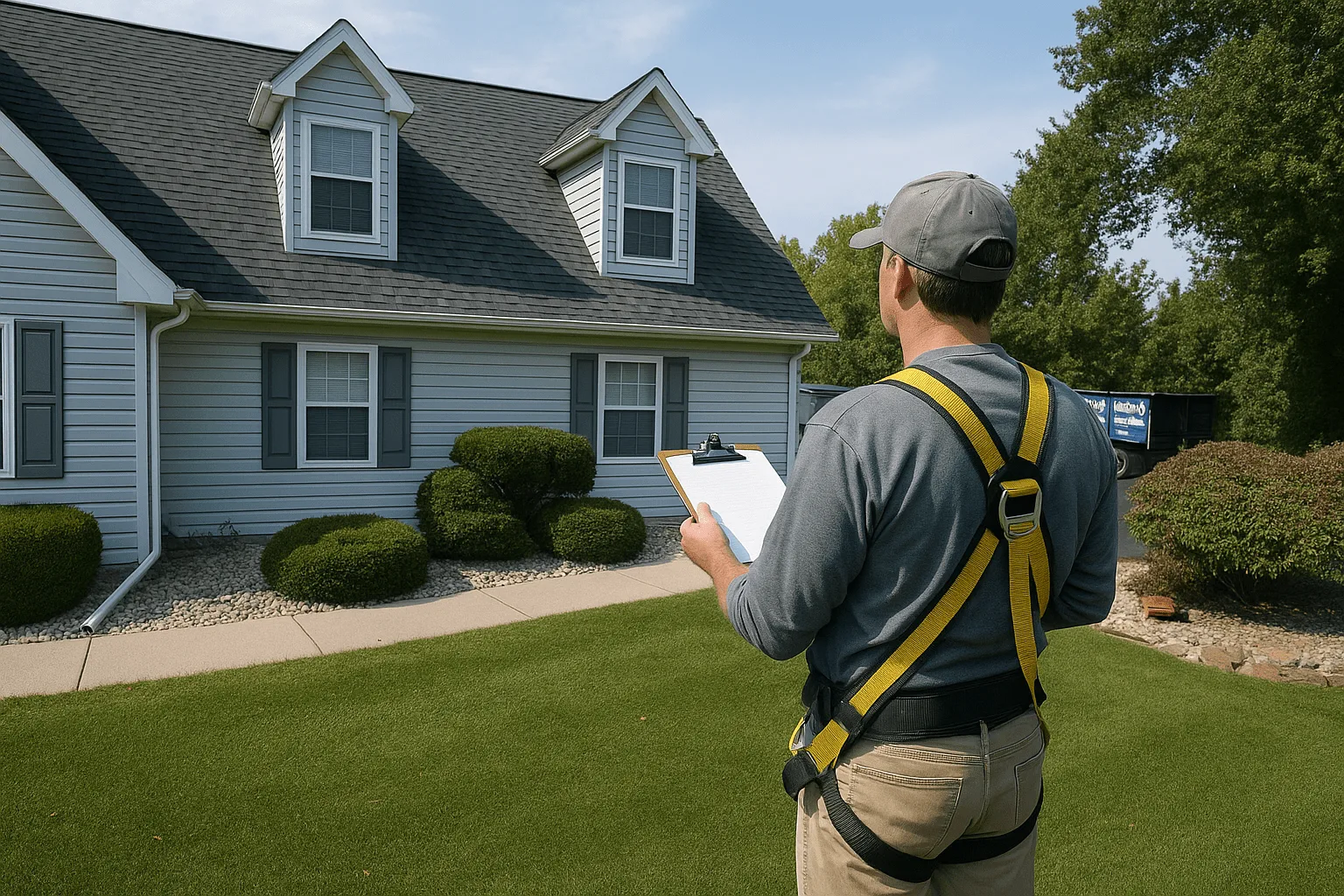
A seasonal roof inspection begins with a simple visual assessment. Stand back from your home and look for any irregularities along the roofline.
Check for:
- Sagging or uneven areas
- Discoloration or dark streaks (could signal algae or trapped moisture)
- Visible shingle damage
- Missing ridge caps
If you notice shiny patches or reflective surfaces, those could indicate missing granules, an early sign your shingles are aging or have suffered hail impact. (Lehigh Valley has seen multiple hailstorms in recent years, similar to the unpredictable weather patterns NOAA tracks across the Midwest.)
2. Clean Gutters and Downspouts
Leaves and pine needles pile up quickly in late October. During a seasonal roof inspection, it’s essential to check and clean your gutters to prevent water backup and ice dams.
Clogged gutters cause melting snow to refreeze at the roof’s edge, creating heavy ice ridges that can tear off shingles and fascia. When we perform local inspections, our crews often find that simple gutter maintenance would have prevented 70% of winter leak calls.
Pro tip: flush gutters with a hose after cleaning to confirm proper drainage.
3. Check Flashing and Sealants
Flashing, the thin metal strips sealing joints around vents, chimneys, and valleys, is one of the most common weak points discovered during a seasonal roof inspection. In Walnutport and Slatington’s fluctuating weather, expansion and contraction can loosen fasteners or create micro gaps.
When water sneaks into these areas, it often goes unnoticed until ceilings start to stain or attic insulation gets damp.
Inspect these key zones:
- Chimney bases
- Skylight perimeters
- Plumbing vent pipes
- Valleys and eaves
If sealant looks cracked or brittle, call for professional evaluation. Our Roof Inspections service covers all flashing points with high-grade, weatherproof materials suited for Pennsylvania winters.
4. Examine Attic Ventilation and Insulation
A seasonal roof inspection isn’t just about shingles, it’s about airflow and insulation too.
Inadequate ventilation can trap warm, moist air in your attic, causing condensation that drips back onto insulation or roof decking. That moisture, over time, breeds mold and weakens the structure.
During our inspections, we check soffit vents, ridge vents, and baffles to ensure consistent airflow. We also assess insulation depth. If you can see joists through the insulation, your home may be losing significant heat, a factor that raises energy bills each winter.
5. Check for Granule Loss and Shingle Curling
Shingle granules protect your roof from UV rays and impact. When they wash away or collect in gutters, it’s a sign of deterioration. During your seasonal roof inspection, gently run your hand along a few shingles (if safely accessible) to feel for rough patches or curling edges.
Curling indicates heat stress or moisture infiltration beneath the shingle layer, a common issue after humid Lehigh Valley summers followed by cold, dry winters.
6. Inspect the Roof Valleys
Valleys handle the most water flow, especially during melting snow or heavy rain. During a seasonal roof inspection, ensure they’re clear of debris and free from cracked or missing shingles.
One Slatington homeowner, the Martinez family, learned this the hard way last December. A small pile of leaves lodged in their valley froze, diverting meltwater under the shingles. By January, the leak had spread to the dining room ceiling.
Our team repaired the area, replaced the underlayment, and installed an ice-and-water shield to prevent recurrence. That one fix, found too late, shows why timely inspections are essential.
7. Inspect Roof Penetrations
Every vent, pipe, and skylight represents a break in the roof’s protective barrier. These penetrations expand and contract at different rates than surrounding shingles, leading to cracks.
During a professional seasonal roof inspection, we check boot seals and flashing for signs of wear or separation. In Allentown’s neighboring areas like Walnutport, these penetrations often fail after hail or wind events that lift flashing edges.
8. Look for Moss, Algae, or Lichen Growth
Green streaks or dark blotches along your shingles are more than cosmetic issues, they hold moisture that can shorten a roof’s life.
During your seasonal roof inspection, note any areas shaded by trees or close to the northern side of the roof. These zones get less sunlight and are prone to biological growth. Cleaning should be handled gently, using manufacturer-approved solutions, not pressure washing.
9. Scan the Roof Interior from Your Attic
While many homeowners focus on the exterior, the attic tells the real story. A flashlight check during your seasonal roof inspection can reveal:
- Daylight shining through boards
- Damp insulation
- Mold or mildew odors
- Rusty nails (a sign of condensation)
Addressing these early helps prevent full-deck rot or insulation failure during the freezing months.
10. Review Your Roof’s Age and Material Performance
If your roof is over 15 years old, schedule a professional assessment. Age impacts every aspect of material performance, especially under snow and ice.
Our certified inspectors use infrared tools and moisture sensors to detect hidden issues that standard checks might miss. These findings, documented in a seasonal roof inspection, can guide maintenance or replacement planning well before emergencies strike.
Local Weather Patterns to Consider
Walnutport and Slatington sit within the Lehigh Valley microclimate, cold enough for consistent snowfall but warm enough for repeated freeze-thaw cycles. According to NOAA, these towns average more than 30 inches of snow each winter, often mixed with sleet and freezing rain.
This combination stresses roofs through expansion, contraction, and ice dam formation. That’s why we time seasonal roof inspection campaigns each fall, before snow cover makes roof access more dangerous.
Professional vs. DIY Inspections
While homeowners can handle visual checks, a professional seasonal roof inspection offers depth and accuracy. Licensed roofers can identify early-stage issues invisible from the ground, like membrane cracks, fastener corrosion, or underlayment displacement.
In The Light Roofing uses drone imaging for difficult angles and high-resolution thermal cameras to detect heat loss, a clear indicator of missing insulation or hidden moisture pockets.
Roof Inspection Checklist
Exterior Checks:
☐ Scan entire roofline for sagging or uneven areas
☐ Look for missing, cracked, or curled shingles
☐ Clean gutters and confirm proper drainage
☐ Inspect flashing around chimneys and vents
☐ Examine valleys and eaves for debris buildup
Interior Checks:
☐ Check attic for daylight or damp insulation
☐ Inspect rafters for mold or condensation
☐ Evaluate insulation depth and airflow
☐ Document any leaks or moisture rings
Professional Additions:
☐ Schedule annual Roof Inspections
☐ Request a written inspection report
☐ Keep inspection photos for maintenance records
Local Expertise You Can Trust
At In The Light Roofing, our certified team knows the rooftops of Walnutport and Slatington like our own. From the historic homes near Main Street to modern builds along Cherryville Road, we tailor every seasonal roof inspection to fit the age, pitch, and material type of your roof.
We use GAF-approved standards, provide full documentation, and prioritize preventive care. That’s why so many local homeowners call us before the first snow rather than after the first leak.
You can also Visit us in Allentown, PA for an in-person consultation or to view our maintenance checklist in print.
Local Customer Story: Early Inspection Saved a Winter Disaster
In November 2023, the Davis family from Walnutport scheduled a seasonal roof inspection after hearing about early snow warnings. Our team discovered several lifted shingles and minor flashing separation around a vent pipe. We sealed the gaps, replaced a few damaged shingles, and installed an ice guard along the valley.
That winter brought two major snowstorms. While neighbors reported leaks, the Davises stayed dry and warm. Their quick decision to act before December made all the difference, proof that prevention always costs less than repair.
When to Schedule Your Seasonal Roof Inspection
- Late Fall (October–November): Ideal for preparing before snow.
- Early Spring (March–April): Evaluate winter damage.
- After Severe Weather: Always inspect following hail or windstorms.
Scheduling both pre- and post-winter inspections gives you a complete picture of your roof’s performance across extreme conditions.
Final Thoughts: Protect Your Roof Before Winter Hits
Your roof is your home’s first line of defense against Allentown’s unpredictable winters. A thorough seasonal roof inspection ensures it’s ready for everything, from heavy snow to surprise freeze-thaw storms.
By catching small issues early, you avoid costly repairs, preserve your home’s comfort, and maintain the value of your investment. In The Light Roofing is proud to serve Walnutport, Slatington, and nearby communities with honest, thorough inspections built on experience and integrity.
Stay ahead of winter, book your inspection today.
Frequently Asked Questions
How often should I schedule a seasonal roof inspection?
At least twice a year, once before winter and once after spring storms. Regular checks catch issues early.
What does a professional seasonal roof inspection include?
A full assessment of shingles, flashing, gutters, attic ventilation, and insulation, along with documentation for your records.
Can seasonal inspections help with insurance claims?
Yes, safely, inspection reports provide factual documentation if you need to support a claim, but they do not guarantee coverage.
What signs mean my roof needs more than an inspection?
Leaks, sagging sections, missing shingles, or visible daylight in the attic often require repair or replacement.
Is it safe to inspect the roof myself?
Ground-level checks are fine, but for detailed assessments, especially in cold or icy conditions, hire a professional for safety.