

An asphalt shingle roof in Pennsylvania typically lasts 15 to 30 years, with architectural shingles outperforming basic three-tab ones. That’s a big spread. Where your roof ends up in it depends on the shingle, how it was put on, the attic under it and the upkeep it gets.
Three-tab or architectural?
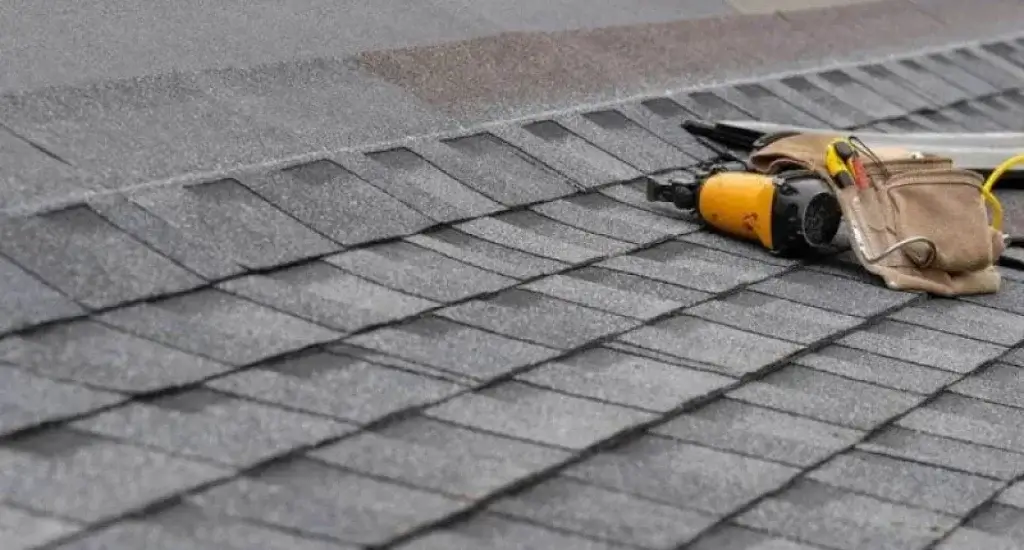
Three-tab is the most common strip shingle: one flat layer, cut into three even tabs, so the roof reads as neat rows of rectangles. Architectural shingles, also called laminated shingles, have more than one layer of tabs. That makes them thicker and gives the roof a layered, uneven look. You can usually tell which you have from the yard.
The grade is only the starting point.
Why some roofs wear out early
Installation comes first. Shingle makers publish instructions for putting their shingles on, right down to the deck they’re nailed to. A roof that wasn’t installed to them can leak at the flashing or lose shingles in a strong wind while the shingles themselves still have plenty of life left.
The attic is next. A well-ventilated attic can help a roof reach its full service life. Without good ventilation, the Asphalt Roofing Manufacturers Association (ARMA) lists what can follow: a roof that fails early, shingles that buckle as the deck moves, rotting wood, damp in the deck and the insulation, and ice dams. Outside air should come in low, at the eaves, and leave high, close to the ridge. Block that flow and the heat and damp from the house stay trapped under the deck.
Weather does the rest, slowly. A Lehigh Valley winter freezes and thaws water in every crack it finds, and summer sun wears the granules off the shingles; our guide to late-summer roof leaks covers the sun’s part. Trees add their own wear. Branches that rub the roof scuff the shingles, and shade keeps a slope damp long enough for moss to take hold.
Upkeep that stretches a roof’s life
Regular care helps extend a roof’s service life. Caught early, a problem can be put right relatively easily, before it spreads. The care itself is mostly simple, and none of it needs you up on the roof.
- Keep the gutters and downspouts clear, so water leaves the roof edge and doesn’t back up under it. If an upper roof’s downspout empties onto a lower roof, have it carried down into the lower gutter. Water pouring onto the same patch of shingles adds wear there.
- Cut back branches and climbing vines that reach the roof.
- Have leaves and storm debris cleared off the roof and out of the valleys, and the shingles underneath checked. Wet leaves keep the shingles beneath them damp.
- Get small things fixed while they’re small: caulk that has cracked, flashing that has started to rust, a split plumbing vent boot, a shingle that has lifted.
- Keep the attic vents working. Insulation shouldn’t be stuffed against the vents at the eaves, and no fan or dryer duct from the house should empty into the attic. A warm attic is also how ice dams start, as our post on ice dam prevention explains.
- Have the roof inspected on a schedule. How often, and what you can safely check yourself, is in our roof inspection guide.
Black streaks and green moss
The dark streaks running down so many roofs are usually algae, not dirt or soot. ARMA says there’s no scientific evidence that algae damages asphalt shingles. It spoils the look of the roof. Cleaning it off means working on wet, slippery shingles, so it’s a job for professionals.
Moss is another story. It needs damp and shade, so it turns up on north-facing slopes and under trees. It can lift or curl the lower edges of the shingles, which makes them easier for the wind to tear off. In bad cases a build-up can push water sideways under the shingles, damaging the deck or causing a leak.
Two warnings. Never pressure-wash a shingle roof: it causes granule loss and very likely an early failure of the roof. And don’t have copper or zinc strips added to the roof you have now. They need either exposed nails, which can leak, or sliding under the shingles, which breaks the seal that holds them down in wind. Strips, or shingles made to resist algae, are a choice for when the roof is replaced.
When the years run out
Even a well-kept roof reaches the end, and most of the signs can be seen from the yard. They’re set out in our guide to repairing or replacing a roof.
A new roof is also the time to deal with whatever wore the old one out. ARMA calls re-roofing the right moment to look again at the attic and correct what’s wrong there, and to replace the vents in the roof along with the shingles. The price is a separate question, covered in our guide to new roof costs.
A roof replacement estimate from us is free. When yours is due, call (484) 553-0213 or use our contact page.