In the Light Roofing

Storm Roof Damage

Summer storms can be both unpredictable and powerful, leaving a trail of destruction in their wake. For homeowners, one of the most vulnerable parts of a house during these storms is the roof. Roof damage from summer storms is a common issue that can lead to significant problems if not addressed promptly. Understanding how to prevent and repair roof damage caused by summer storms is crucial for maintaining the integrity of your home and ensuring the safety of your family.

Understanding Summer Storm Roof Damage

Summer storms, characterized by heavy rainfall, strong winds, hail, and lightning, can wreak havoc on your roof. These elements, when combined, can lead to a range of issues, from minor shingle damage to severe structural problems. It’s important to recognize that even seemingly minor damage can escalate over time if not properly repaired.

Common Types of Roof Damage from Summer Storms

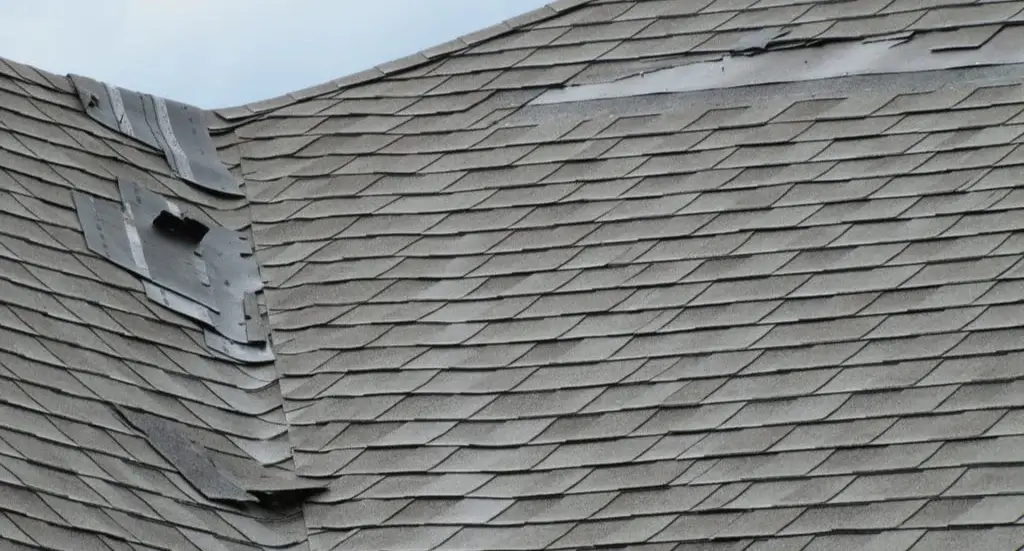
Summer storms can cause various types of roof damage, each with its own set of challenges. One of the most common forms of damage is from high winds, which can lift and tear shingles, leaving the underlying roof structure exposed. Hailstorms can cause punctures and dents in roofing materials, compromising their ability to protect your home from water infiltration. Additionally, heavy rain can lead to leaks, especially if your roof has pre-existing vulnerabilities, such as cracked shingles or damaged flashing.

Signs of Roof Damage After a Summer Storm

After a summer storm, it’s crucial to inspect your roof for signs of damage. Some signs are obvious, like missing or broken shingles, while others might be more subtle, such as granules from asphalt shingles collecting in gutters. Look for dents or cracks in metal roofing and check for any areas where water might be pooling, as these can indicate underlying issues. Inside your home, water stains on ceilings or walls are clear signs of a roof leak that needs immediate attention.

The Importance of Immediate Roof Damage Repair

Ignoring roof damage after a summer storm can lead to more severe problems down the line. What might start as a small leak can quickly escalate into extensive water damage, mold growth, and even structural damage to your home. Immediate repair not only prevents these issues but also extends the lifespan of your roof. It’s a cost-effective measure that saves you from more expensive repairs or even a complete roof replacement in the future.

Preventing Roof Damage from Summer Storms

Prevention is always better than repair, especially when it comes to your roof. There are several steps you can take to minimize the risk of summer storm damage. Regular roof inspections are key to identifying potential vulnerabilities before they become major problems. Ensure that your roof is in good condition before the storm season begins by replacing any damaged or missing shingles and securing loose flashing. Trimming overhanging tree branches that could fall on your roof during a storm is another essential preventive measure.

Reinforcing Your Roof Against Summer Storms

In addition to regular maintenance, reinforcing your roof can provide added protection against summer storms. Consider investing in impact-resistant shingles, which are designed to withstand hail and flying debris. Another option is to install a roof coating that adds an extra layer of protection against water infiltration. For homes in areas prone to severe storms, upgrading to a metal roof, which is more durable and resistant to wind and hail, might be a worthwhile investment.

The Role of Professional Roof Inspections

While there are some steps you can take to inspect and maintain your roof, nothing beats a professional inspection. Roofing experts have the knowledge and experience to identify subtle signs of damage that a layperson might miss. They can assess the overall condition of your roof and recommend necessary repairs or reinforcements to ensure it can withstand future storms. Scheduling an annual roof inspection, especially before storm season, is a proactive way to protect your home.

What to Do Immediately After a Storm

If a summer storm has just passed, your first step should be to assess the condition of your roof. Safety is paramount, so avoid climbing onto the roof yourself if it’s not safe. Instead, use binoculars to inspect from the ground or hire a professional to conduct a thorough inspection. Document any visible damage with photos, as this will be important for insurance claims. If you find significant damage, cover exposed areas with a tarp to prevent further water infiltration until repairs can be made.

Filing an Insurance Claim for Storm Damage

If your roof has suffered significant damage from a summer storm, you may need to file an insurance claim. Start by reviewing your homeowner’s insurance policy to understand what types of roof damage are covered. Most policies will cover storm-related damage, but it’s important to document everything thoroughly. Provide your insurance company with photos of the damage, any repair estimates, and a copy of the professional inspection report. Be sure to follow up with your insurer to ensure your claim is processed promptly.

Choosing the Right Roofing Contractor for Repairs

When it comes to repairing storm damage, choosing the right roofing contractor is crucial. Look for a contractor with experience in handling storm damage repairs and who is licensed and insured. Check their reputation by reading reviews and asking for references. A reputable contractor will provide a detailed estimate and timeline for the repairs, ensuring that your roof is restored to its pre-storm condition as quickly as possible.

Temporary Repairs vs. Permanent Solutions

In some cases, you might need to make temporary repairs to protect your home from further damage before permanent repairs can be completed. Temporary measures might include tarping over exposed areas or patching leaks with roofing cement. While these can be effective short-term solutions, they are not substitutes for professional repairs. Temporary fixes should be replaced with permanent solutions as soon as possible to ensure the longevity and safety of your roof.

Long-Term Roof Maintenance After a Summer Storm

After your roof has been repaired, it’s important to keep up with regular maintenance to prevent future storm damage. This includes routine inspections, cleaning gutters to prevent water buildup, and checking for any new signs of wear and tear. Keeping your roof in good condition is the best way to protect your home from the next summer storm.

Eco-Friendly Roof Repair Options

If you’re concerned about the environmental impact of your roof repairs, there are eco-friendly options available. For instance, consider using sustainable materials such as recycled shingles or metal roofing, which can be recycled at the end of its lifespan. Additionally, installing a green roof, which incorporates vegetation, can help absorb rainwater and reduce runoff, providing both environmental and aesthetic benefits.

The Cost of Roof Repairs: What to Expect

The cost of repairing summer storm roof damage can vary widely depending on the extent of the damage, the type of roofing materials, and the labor involved. Minor repairs, such as replacing a few shingles, might cost a few hundred dollars, while more extensive damage could run into the thousands. It’s important to get multiple quotes from reputable contractors and to consider the long-term value of the repairs. Investing in quality repairs now can save you from more expensive problems in the future.

DIY Roof Repair: When It’s Safe and When It’s Not

Some homeowners might be tempted to tackle roof repairs themselves, but it’s important to know when to DIY and when to call in the professionals. Simple tasks, such as replacing a few shingles or sealing a small leak, might be within the skill set of a handy homeowner. However, more complex repairs, especially those involving structural damage or working at heights, should be left to the experts to avoid injury and ensure the repair is done correctly.

The Impact of Roof Damage on Your Home’s Value

Unrepaired roof damage can significantly impact your home’s value, especially if you’re planning to sell in the near future. Potential buyers are likely to be deterred by signs of roof damage, fearing the cost and hassle of repairs. On the other hand, a well-maintained roof can enhance your home’s curb appeal and increase its market value. Investing in timely repairs not only protects your home but also preserves its value over time.

Roofing Materials That Best Withstand Summer Storms

Different roofing materials offer varying levels of protection against summer storms. Asphalt shingles, while common, can be susceptible to wind and hail damage. Metal roofing, on the other hand, is highly durable and can withstand extreme weather conditions. Tile and slate roofs are also strong options, though they may require additional support due to their weight. When choosing roofing materials, consider both the climate in your area and the potential for severe weather.

How Climate Change Is Affecting Summer Storms and Roof Damage

Climate change is leading to more intense and frequent storms, which in turn increases the likelihood of roof damage. Warmer temperatures contribute to stronger storms, while rising sea levels can lead to more coastal flooding. Homeowners should be aware of these changing conditions and take proactive steps to reinforce their roofs. Staying informed about the impact of climate change on weather patterns in your area can help you better prepare for future storms.

The Future of Roofing Technology: Innovations in Storm-Resistant Roofs

Advances in roofing technology are making it possible to better protect homes from storm damage. Impact-resistant shingles, for example, are designed to absorb the force of hail and debris, reducing the risk of damage. Self-healing roofing materials are another innovation, with the ability to seal minor punctures and cracks automatically. As technology continues to evolve, homeowners can expect even more options for storm-resistant roofing materials and systems.

Why Regular Roof Inspections Are a Smart Investment

Regular roof inspections are one of the most cost-effective ways to prevent damage and extend the life of your roof. By identifying and addressing minor issues before they become major problems, you can avoid costly repairs and ensure your roof remains in good condition year-round. Whether you perform these inspections yourself or hire a professional, the investment in regular maintenance pays off in the long run.

How to Create a Roof Maintenance Schedule

Creating a roof maintenance schedule is an easy way to stay on top of your roof’s condition. Start by scheduling inspections twice a year, ideally in the spring and fall. During these inspections, check for loose or damaged shingles, clean out gutters, and look for any signs of wear and tear. If your area is prone to severe weather, consider more frequent inspections. Keeping a record of these inspections and any repairs can also help when it comes time to file an insurance claim.

The Connection Between Roof Damage and Energy Efficiency

Roof damage can have a significant impact on your home’s energy efficiency. Leaks and gaps in your roof allow conditioned air to escape, leading to higher energy bills as your heating and cooling systems work harder to maintain a comfortable temperature. By repairing any damage and ensuring your roof is properly insulated, you can improve your home’s energy efficiency and reduce your utility costs.

Roofing Warranties: What Homeowners Need to Know

When repairing or replacing your roof, it’s important to understand the warranties available. Most roofing materials come with a manufacturer’s warranty that covers defects in the product. Additionally, your roofing contractor should offer a warranty on their workmanship. Understanding the terms of these warranties and what they cover can give you peace of mind and protect your investment in your home.

Preparing Your Roof for the Next Summer Storm

Once your roof has been repaired, it’s time to start thinking about how to prepare for the next storm. This includes regular maintenance, reinforcing your roof with storm-resistant materials, and staying informed about the weather patterns in your area. By taking these proactive steps, you can reduce the risk of roof damage and ensure your home remains safe and secure during future summer storms.

FAQs

What should I do if I notice roof damage after a summer storm?

After noticing roof damage, your first step should be to document the damage with photos and contact a professional roofing contractor for an inspection. Cover any exposed areas with a tarp to prevent further damage until repairs can be made.

How can I tell if my roof has been damaged by hail?

Hail damage often appears as dents or punctures in shingles, metal roofing, or skylights. Granules from asphalt shingles may also be found in your gutters. A professional inspection can confirm the extent of hail damage.

Can I repair roof damage myself, or should I hire a professional?

While minor repairs, such as replacing a shingle, can sometimes be done by homeowners, it’s generally safer and more effective to hire a professional for significant damage. Professionals can ensure the repair is done correctly and safely.

How often should I have my roof inspected?

It’s recommended to have your roof inspected twice a year, in the spring and fall. Additionally, an inspection should be done after any major storm to check for damage.

Does my homeowner’s insurance cover storm-related roof damage?

Most homeowner’s insurance policies cover storm-related roof damage, but it’s important to review your policy details. Be sure to document all damage and repairs when filing a claim.

What roofing materials are best for withstanding summer storms?

Metal roofing and impact-resistant shingles are among the best options for withstanding summer storms due to their durability and resistance to wind, hail, and flying debris.

Get a No Cost ROOf REPLACEMENT Estimate


Get An Affordable Roofing Inspection