


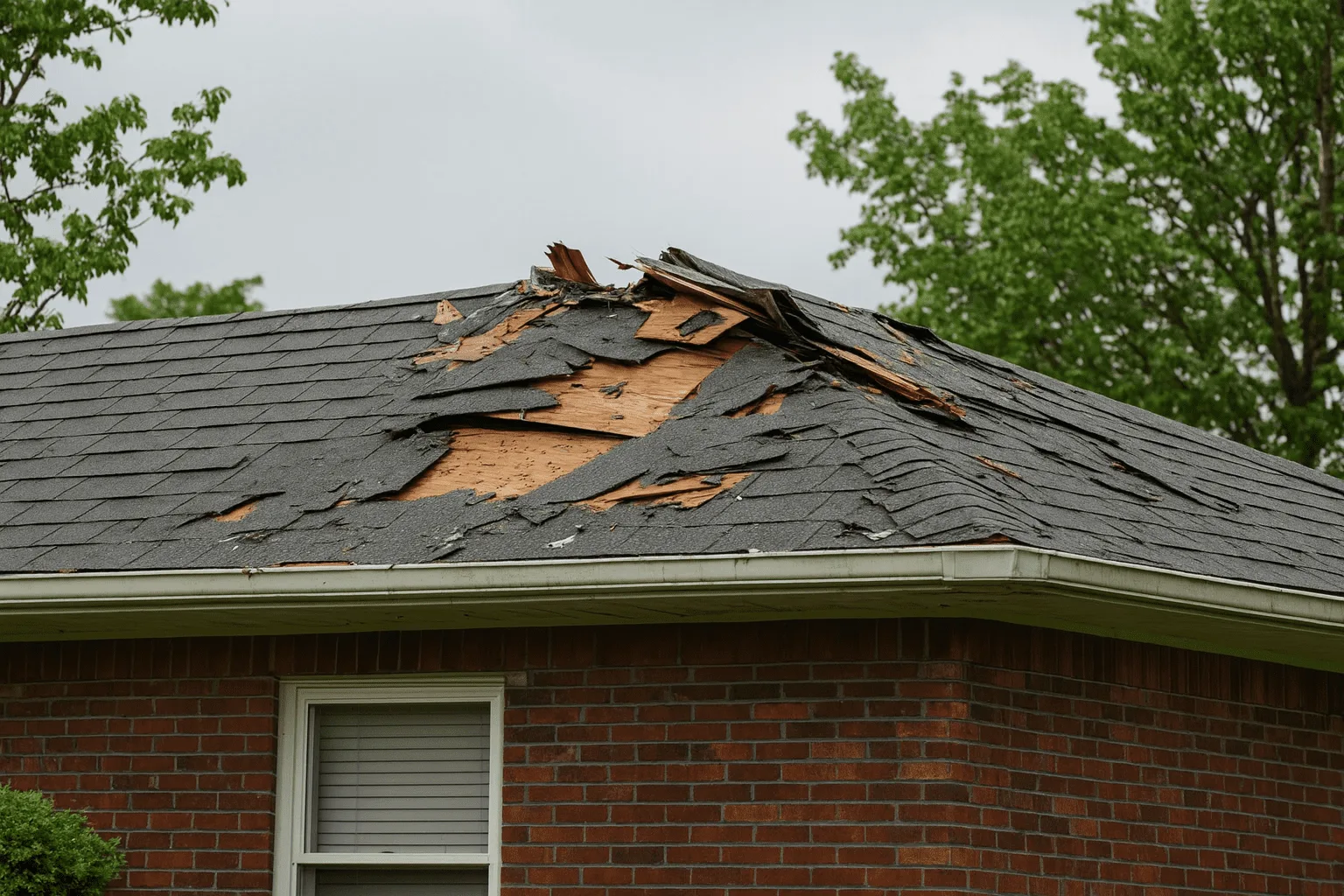
If you’ve ever experienced a major storm in Allentown, Pennsylvania, you know just how quickly roof damage can happen. Knowing how to handle roof insurance claims after storms is crucial to avoid unnecessary stress and financial setbacks.
This article walks you through five essential steps that will help you get the most from your insurance policy while ensuring your roof is repaired properly and professionally.
Tip 1: Document the Damage Immediately
The first and most critical step when dealing with roof insurance claims after storms is to document everything. As soon as it’s safe, take clear photos and videos of your roof, gutters, siding, and attic if there are leaks.
What to capture:
- Missing or damaged shingles
- Exposed decking or underlayment
- Broken vents, flashing, or gutters
- Water stains on ceilings or insulation
In neighborhoods like Dorneyville and Hamilton Park, wind-driven rain and falling tree limbs are common after spring and summer storms. Your documentation will support your insurance claim and provide proof that the damage was storm-related.
Tip 2: Contact a Local Roofing Expert First
Before calling your insurance provider, reach out to a local contractor with experience in roof insurance claims after storms. Why? Because a qualified roofer can:
- Perform a detailed inspection
- Provide an estimate for repairs
- Help identify storm-specific damage
This step ensures you’re not relying solely on the insurance adjuster’s report. At In The Light Roofing, we assist Allentown homeowners with full assessments that speak the language of insurance companies.
We also offer expert Insurance Claim Facilitation to take the pressure off your shoulders during an already stressful time.
Tip 3: Know What Your Policy Covers
Not all policies are created equal. One of the smartest things you can do when dealing with roof insurance claims after storms is to review your coverage before disaster strikes.
Key items to check:
- Does your policy cover wind and hail damage?
- What’s your deductible for roof repairs?
- Is full roof replacement included, or just partial repairs?
- Are matching materials and code upgrades covered?
Understanding your policy in advance gives you the confidence to navigate your claim. We often help clients from areas like West End and South Allentown read the fine print to avoid surprises.
Tip 4: File Your Insurance Claim Promptly
Time matters. Waiting too long can delay your payout or even result in denial. Most companies require you to file roof insurance claims after storms within a set window, often 30 to 60 days from the damage date.
Steps to follow:
- Contact your insurer as soon as damage is discovered
- Provide your photo/video evidence
- Submit your contractor’s repair estimate
- Keep all communications in writing
The sooner you file, the faster your claim can be processed. Don’t delay, especially if more storms are in the forecast.
Tip 5: Don’t Settle for Less Than You Deserve
Insurance companies are businesses. Their first offer might not cover everything you need to restore your roof completely. That’s why working with a contractor experienced in roof insurance claims after storms is vital.
What to look for:
- Support during the adjuster’s inspection
- Assistance with documentation and follow-up
At In The Light Roofing, our Insurance Claim Facilitation service ensures you’re never left navigating the process alone.
Need to talk in person? Visit us in Allentown for a free consultation or storm damage assessment.
Why Local Help Matters in Allentown
From microbursts and hailstorms to hurricane remnants, Allentown sees a mix of weather that often leads to roof claims. Choosing a roofer who understands roof insurance claims after storms specific to this region ensures faster, more accurate results.
Our team knows the housing styles, common materials, and building codes in areas like Old Allentown and the Lehigh Parkway, so your claim reflects the true scope of repairs.
Bonus Advice: Be Prepared Before the Storm
If you want to simplify roof insurance claims after storms, preparation is key. Here’s how:
- Schedule annual roof inspections
- Keep digital copies of your insurance policy
- Take pre-storm photos of your roof and home exterior
- Create an emergency contact list
These proactive steps make it easier to spot new damage and back up your claim when the time comes.
Frequently Asked Questions
Is storm damage always covered by homeowners insurance?
Usually, yes, but check your policy for exclusions like wear and tear or lack of maintenance.
Should I let the insurance company pick the roofer?
You can choose your contractor. It’s better to work with one who advocates for your needs.
What happens if more damage is discovered later?
You may be able to reopen your claim, but it’s easier if you document and report all damage early.
Can I file a claim even if damage seems minor?
Yes. Even small issues can lead to bigger problems if left unaddressed.
How do I know if my roof is storm-damaged?
Call a pro and submit roof insurance claims after storms. Some damage (like lifted shingles or bruised areas) isn’t obvious from the ground.